

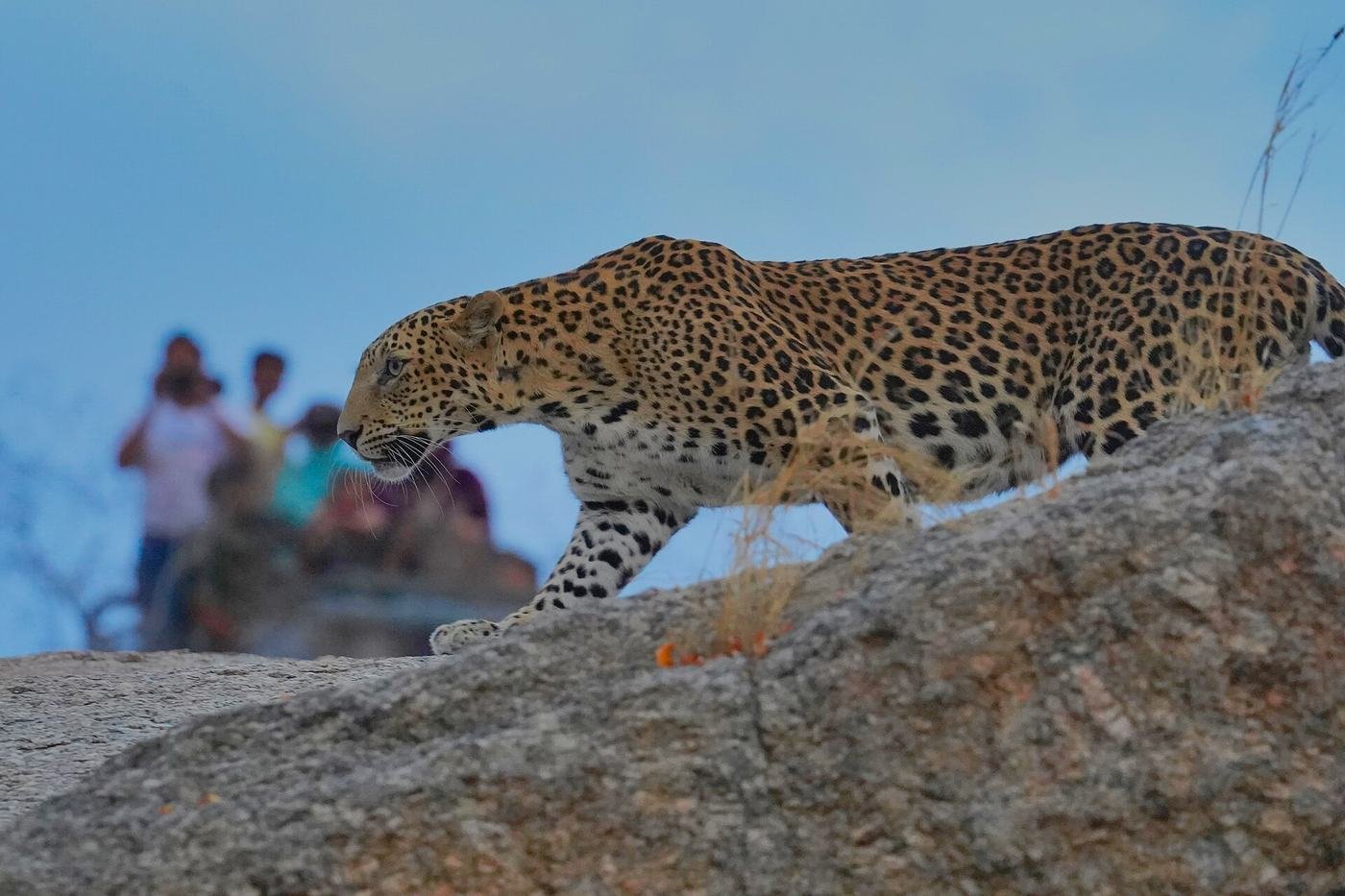
Jawai’s granite domes, golden light and relaxed leopards make it a favourite with photographers. A little preparation helps you come home with more than record shots.
Light
The first and last hour of daylight give warm, low-angle light and long shadows on the rocks. Midday light is harsh; use it to rest. Overcast mornings after rain are excellent for soft, even tones.
Gear
- A telephoto lens in the 200–500 mm range; a 70–200 mm is also useful for landscapes and scenes with context.
- A beanbag for steadying the lens on the jeep rail (a monopod is awkward in a jeep).
- Spare batteries and cards; dawn cold drains batteries quickly.
- A lens cloth, because dust is constant.
Settings that work
- Aperture priority, wide open for subject separation.
- Shutter speed above 1/1000 s for moving animals, 1/500 s for resting ones.
- Auto-ISO with a sensible ceiling.
- Continuous autofocus and burst mode.
Composition
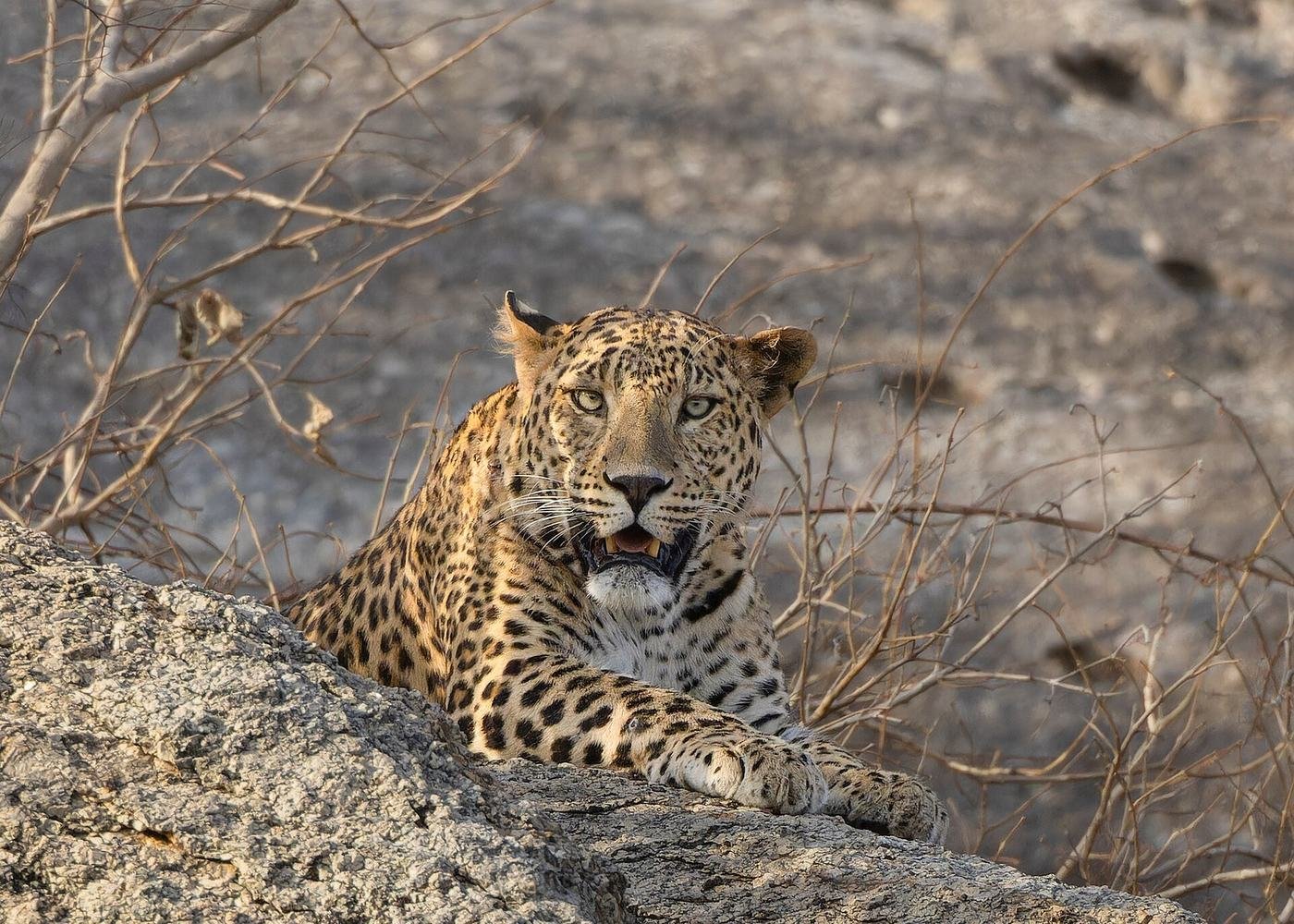
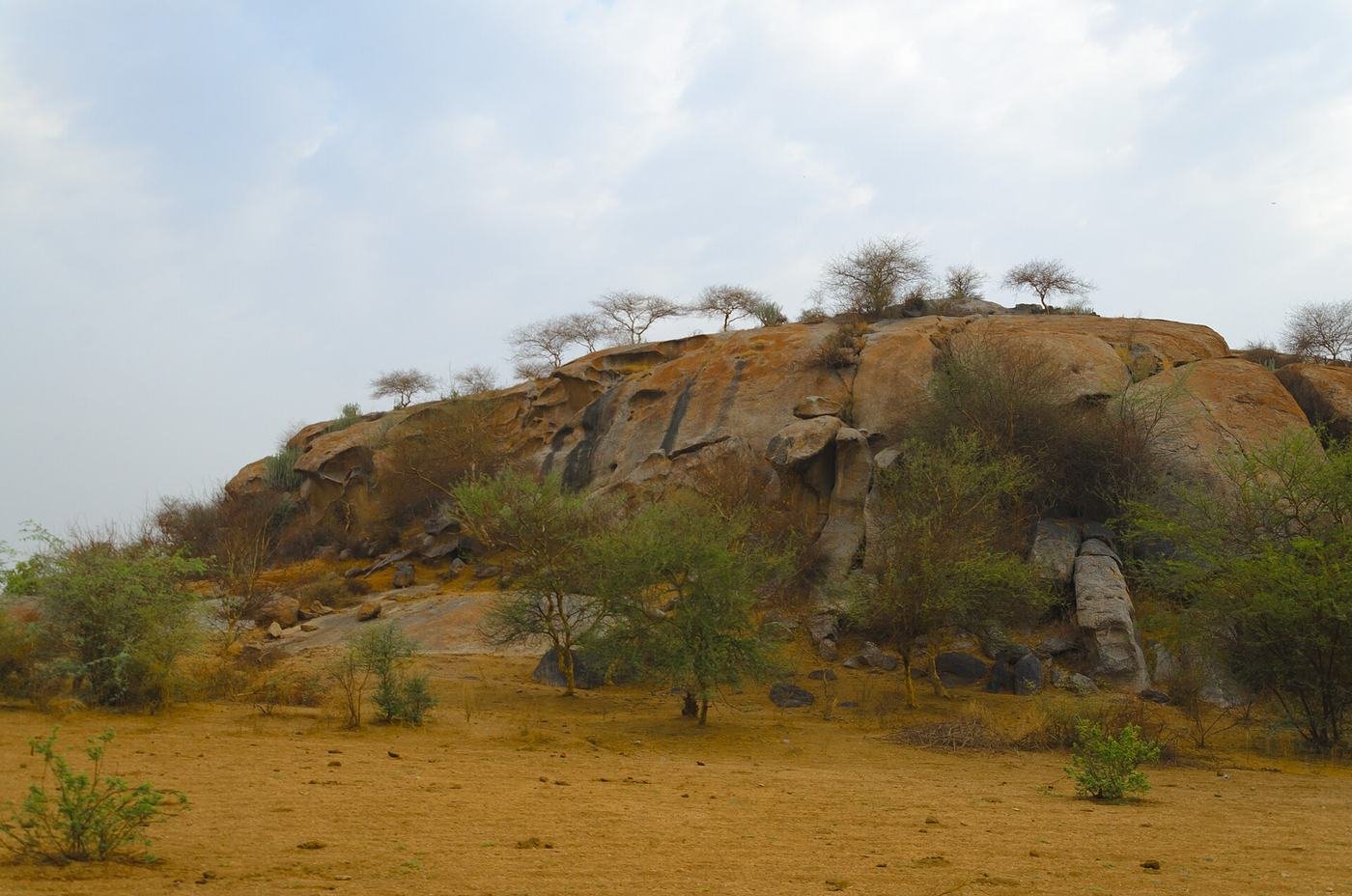
Include the rock, the cave and the sky; Jawai is about habitat as much as the animal. Shoot at the animal’s eye level when you can and leave space in front of the face.
Etiquette
Thinking in light and patience
The best Jawai photographs come from waiting for the right moment, not racing around. Position the jeep so the light falls on the animal, wait for it to raise its head or move to a better rock, and have your settings ready. Early and late light gives warm colours and shadows that shape the fur and the granite. Midday light is harsh, so use it for details or rest.
Beyond the leopard
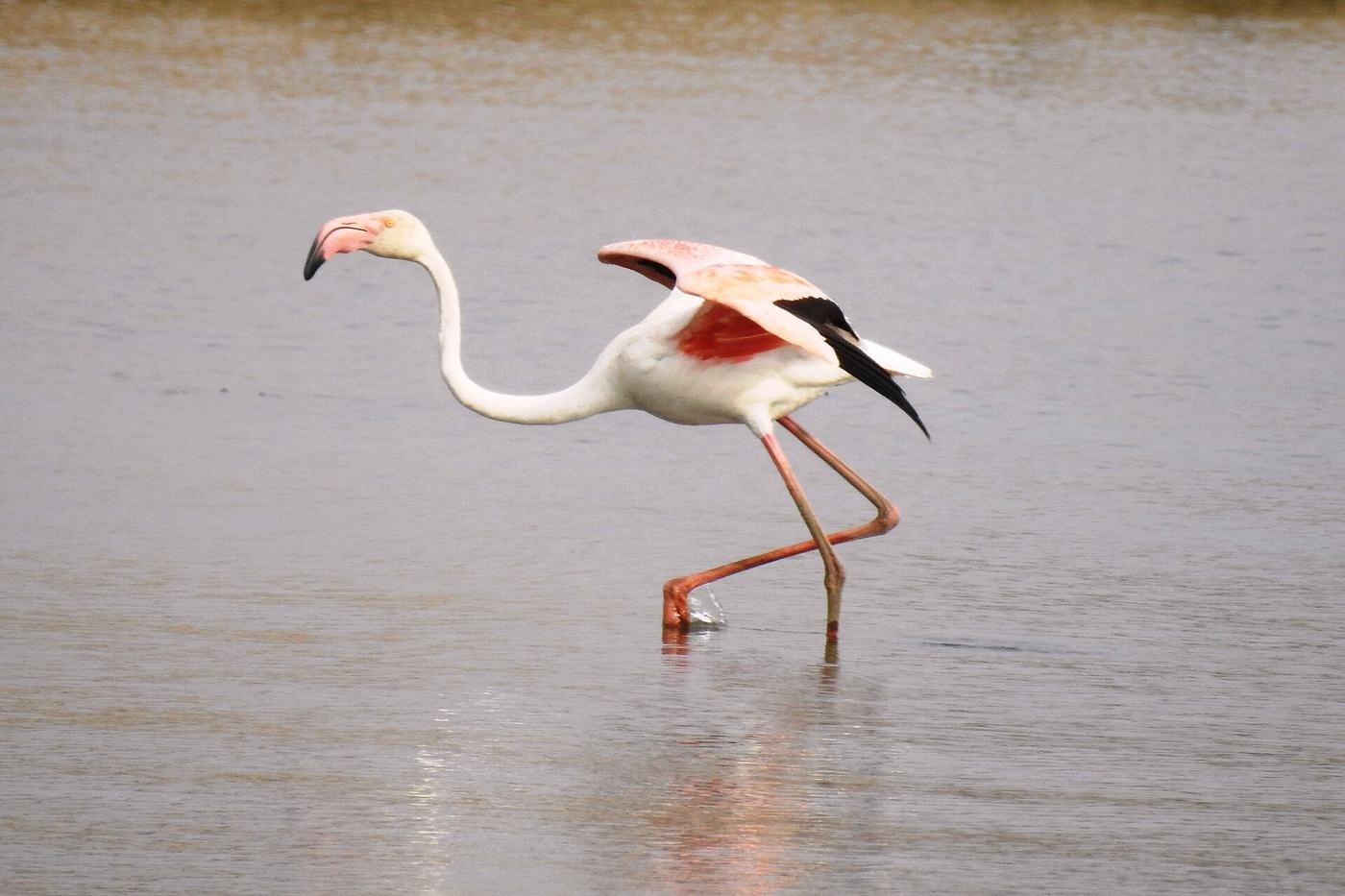
Jackals in the fields, peafowl on rocks, birds at the dam and herders against the hills all make strong pictures. Landscape frames with a tiny animal show the scale of the hills. Portraits of people need consent and warmth. See photographing granite landscapes.
After the trip
Back up your photos each night, cull ruthlessly and edit gently. Resist the urge to share exact locations of sensitive sightings. For a full kit and settings guide, read best camera, lens and settings and mobile phone wildlife photography.
No flash, no loud noises, no leaving the vehicle and no pressing for a closer approach. The animal’s comfort comes first. Our wildlife photography safari limits each jeep to three photographers so everyone has a clear view.
Frequently asked questions
What lens do I need for Jawai?
A 100–400mm or 200–500mm telephoto covers most sightings.
What shutter speed should I use?
Around 1/1000 s or faster for moving animals, and 1/500 s for resting ones.
Can I use a drone?
Usually not around wildlife. Ask before you bring one.