Nearby
Jawai Leopard Hills
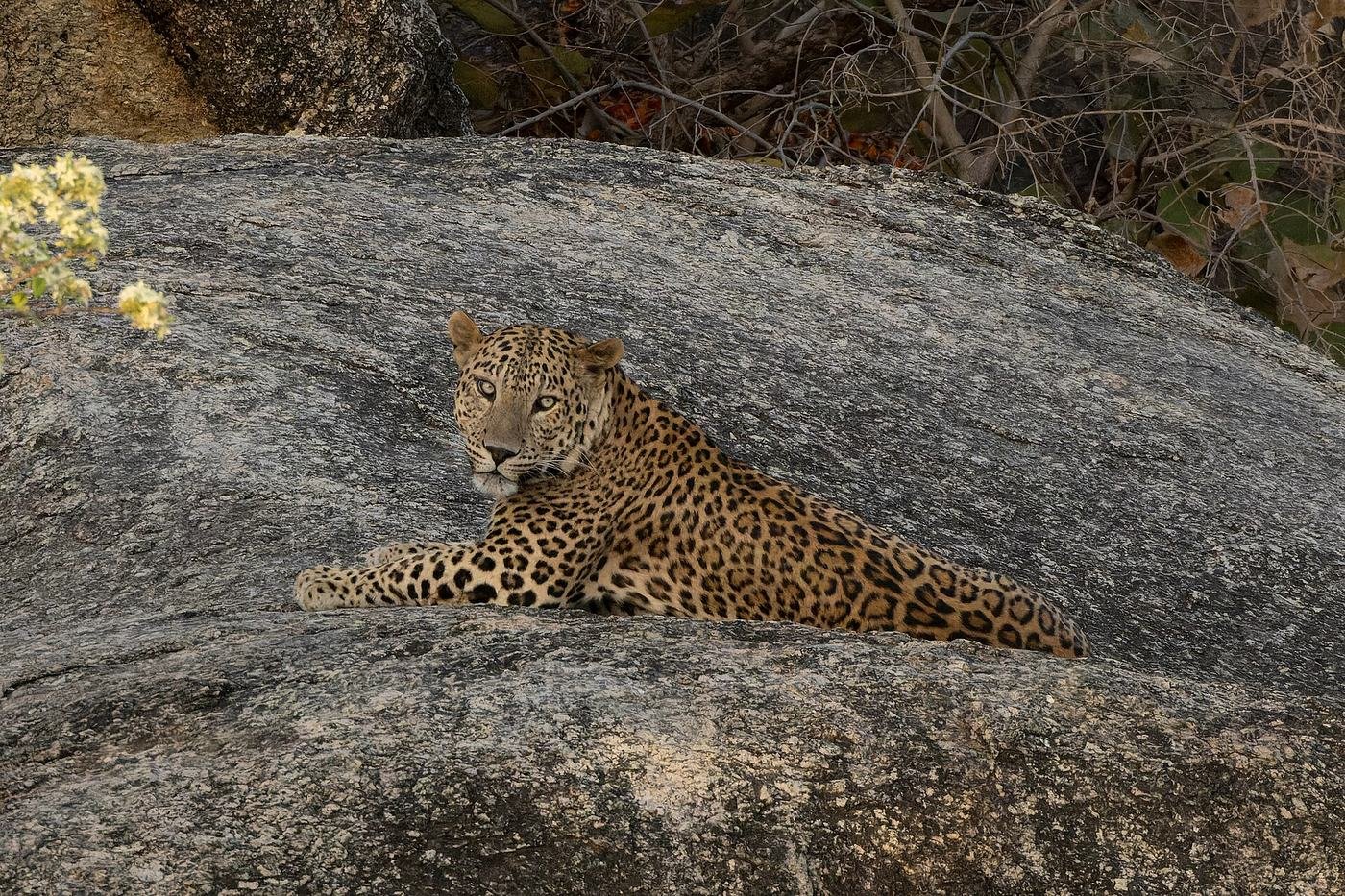
Granite domes, caves and boulder fields where leopards rest by day. A short walk from villages, farms and hill temples. Estimates put the wider Jawai area at roughly 50–70 leopards; there is no official count.


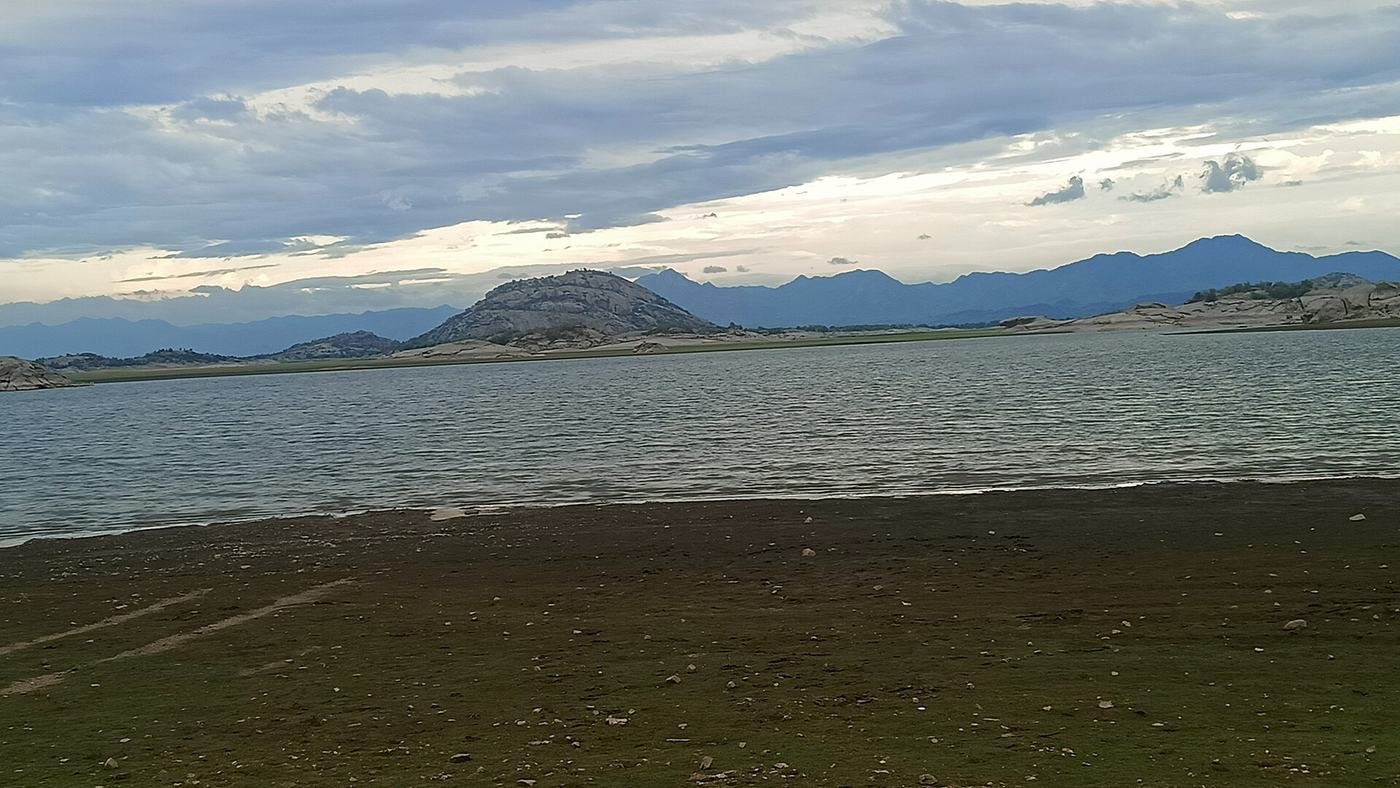
Leopard hills, a bird-filled reservoir, village life and the heritage of Mewar and Marwar within reach.
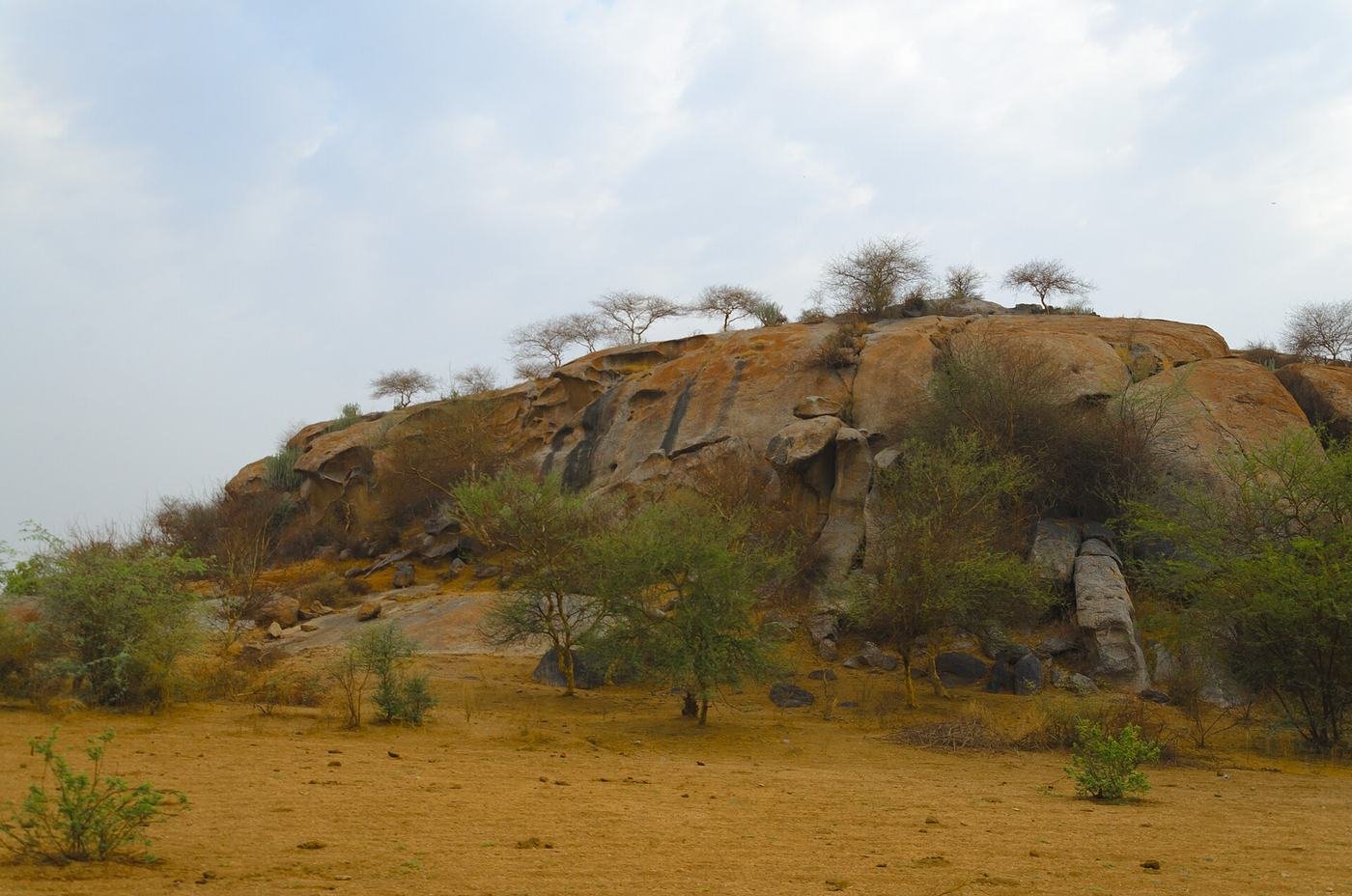
Jawai is a stretch of granite hills around the Jawai Dam in Pali district, roughly halfway between Udaipur and Jodhpur. Leopards den in the caves and rest on the rocks here, a short walk from villages, farms and hill temples. The Rabari herders who graze their animals on these hills have lived alongside them for generations.
It is not a fenced national park, it is a lived-in landscape. That is why the leopards are so visible, and why how we behave around them matters. Jawai Mumal sits in Bera village on the Bera–Bali road, in the middle of it all.
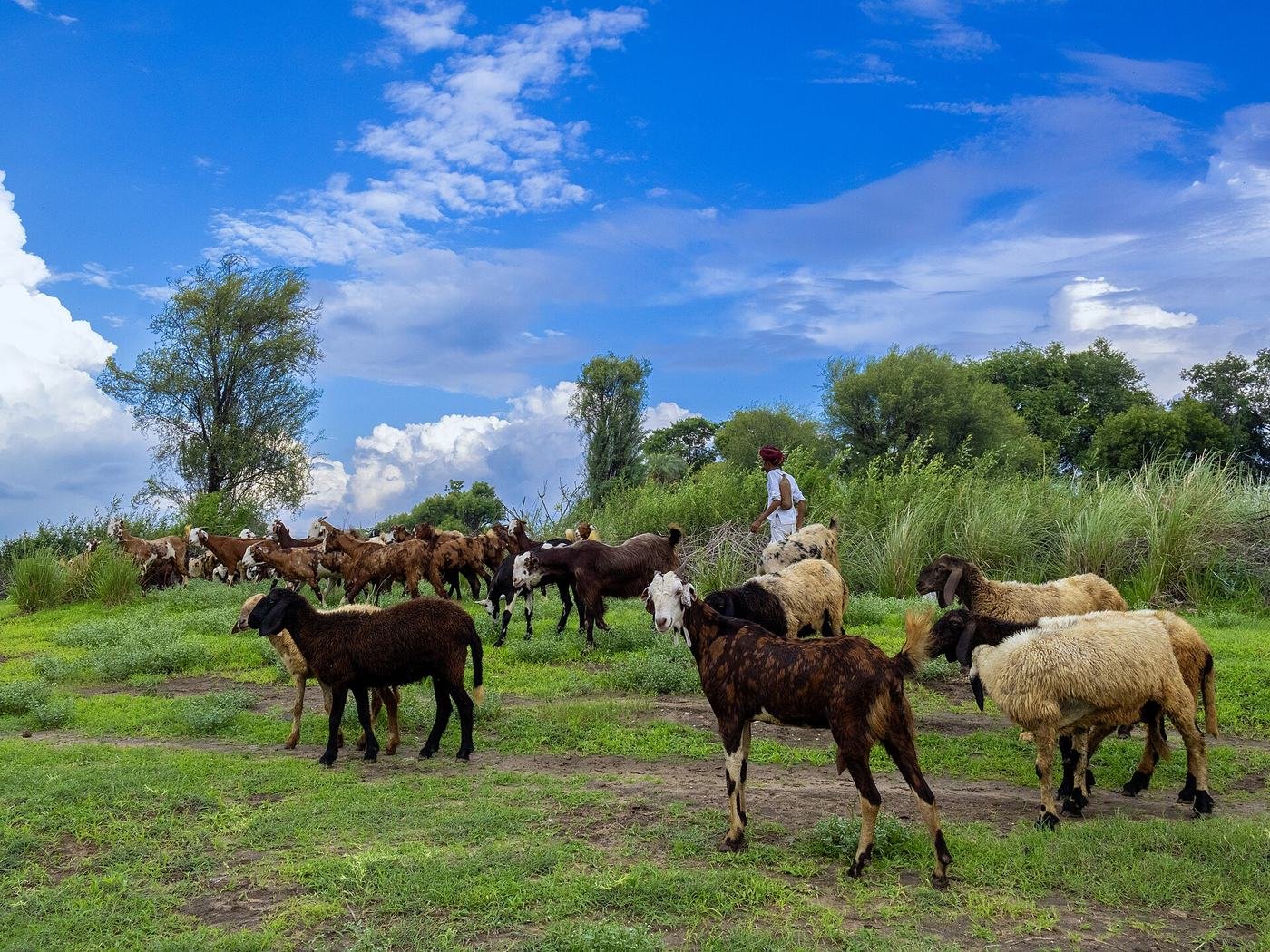
Leopards are the headline, but the hills and the dam are alive all day.
Resident leopards rest on granite ledges and cave mouths, especially at first and last light. Estimates put the wider area at roughly 50–70 animals; there is no official count.
Striped hyena, nilgai, chinkara, jungle cat, Indian grey wolf and desert fox are all possible, along with langurs and peafowl.
More than 300 bird species have been recorded around Jawai, from raptors over the hills to winter flamingos, demoiselle cranes and bar-headed geese on the dam.
Completed in 1957, the reservoir fills after the monsoon. Mugger crocodiles bask on its sandbanks and the shoreline is a fine place for slow birdwatching.
Rabari herding families, known for red turbans and silver jewellery, graze their animals on these hills and have long lived with leopards.
With little light pollution, the skies over Jawai are superb for stargazing.
Leopards live here all year, each season simply offers a different Jawai. October to March is the main safari season.
Cool, clear mornings, often 8–12°C at dawn. The reservoir is full and migratory birds arrive in thousands; leopards bask on the warm rock. The best season for safaris and the busiest.
Hot and dry, often above 40°C by May. Water levels drop, crocodiles bask on sandbanks and wildlife gathers near what water is left. Drives run very early and very late.
Rain turns the granite hills green and refills the dam. Dramatic skies and very few visitors; some tracks get muddy, so plans can change at short notice.
Granite domes, caves and boulder fields where leopards rest by day. A short walk from villages, farms and hill temples. Estimates put the wider Jawai area at roughly 50–70 leopards; there is no official count.
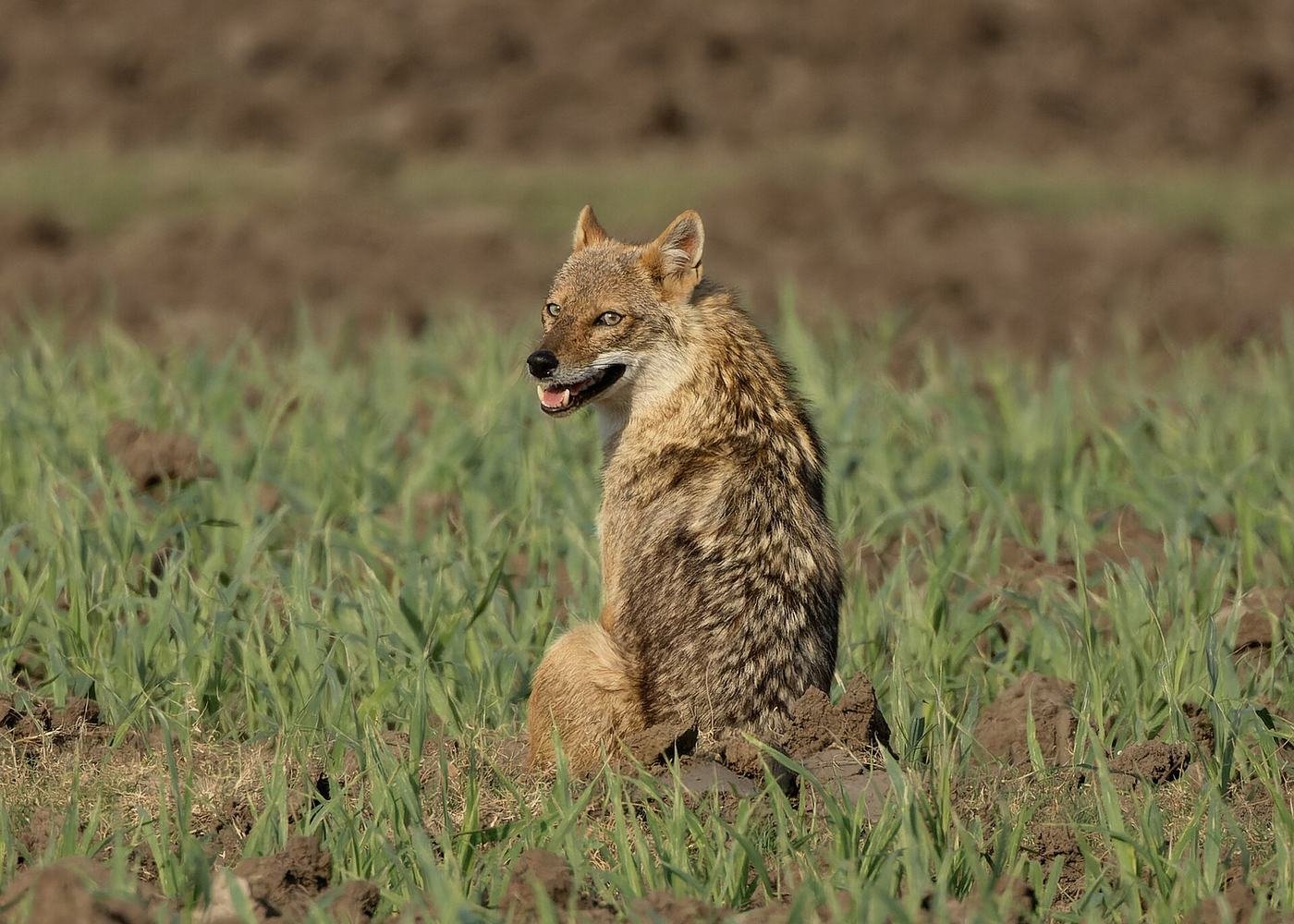
A notified conservation reserve around the Jawai hills that helps protect leopards and their habitat while local herding communities continue to graze their animals nearby.
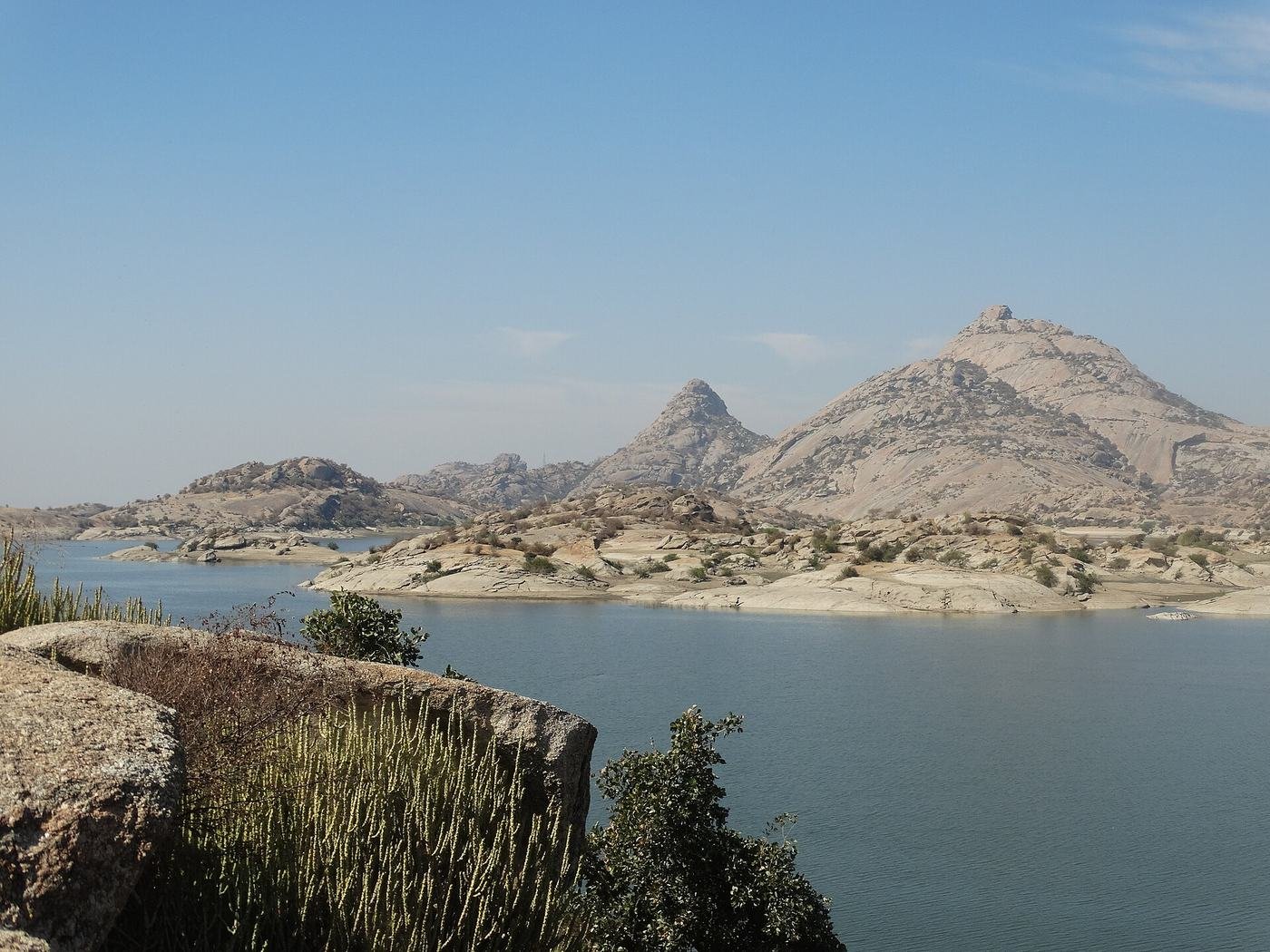
Completed in 1957 on the Jawai river, one of western Rajasthan's largest reservoirs. Mugger crocodiles, winter flamingos, cranes and raptors, with granite hills all around.

Quiet viewpoints over the boulder-strewn hills, perfect for golden-hour photographs and a flask of tea.
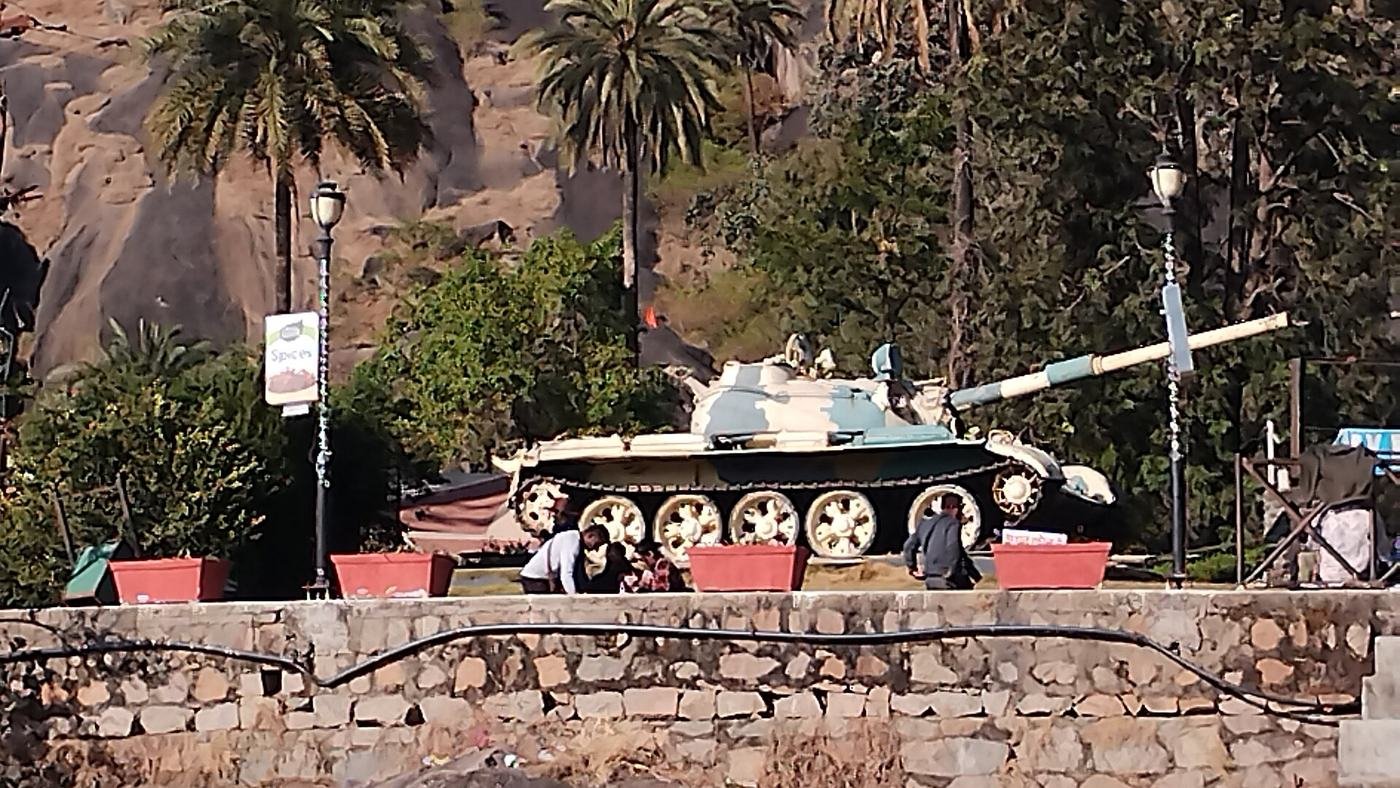
Rajasthan's only hill station, with Nakki Lake, the Dilwara temples and cool air.
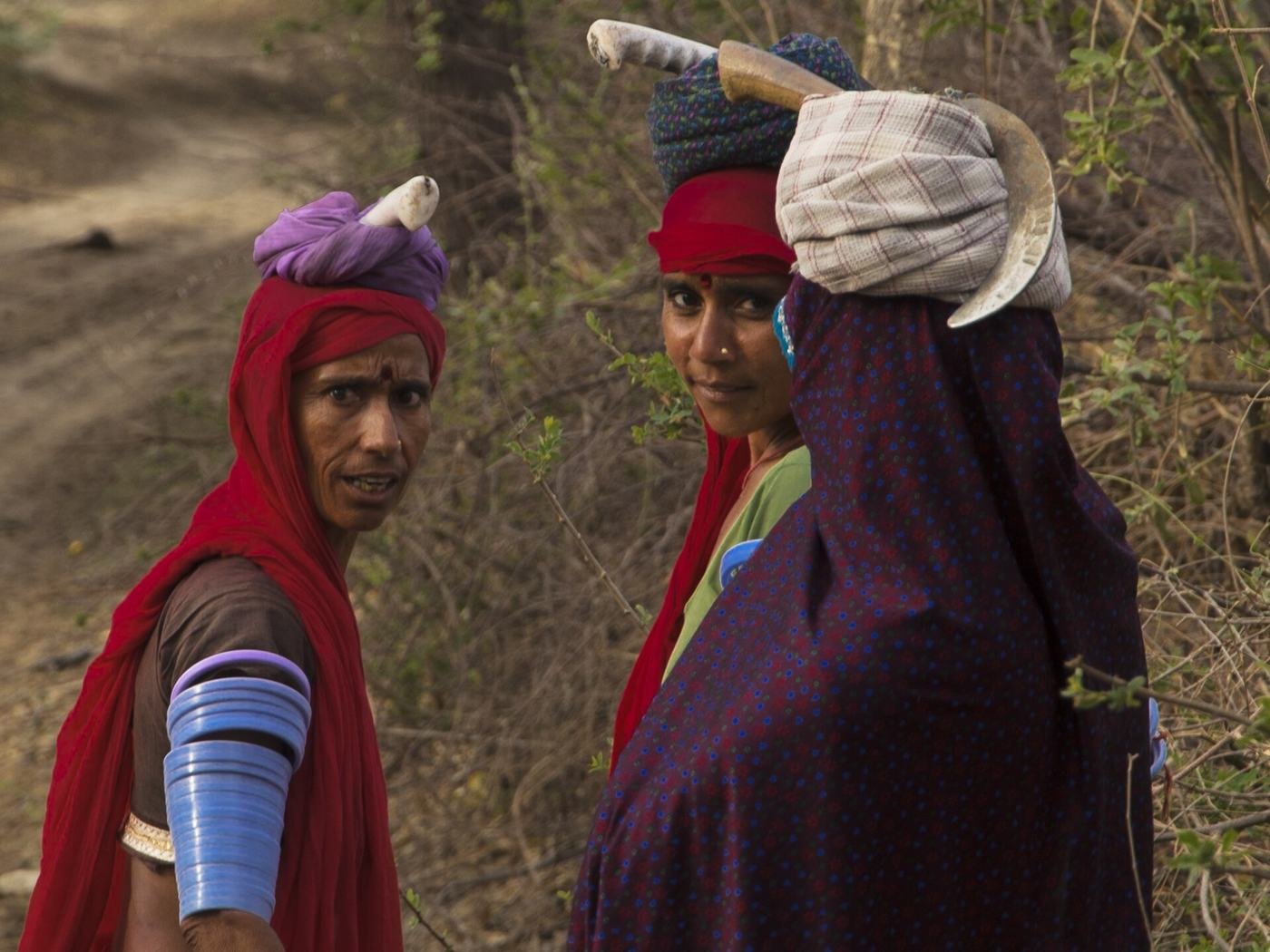
Meet the Rabari herders, known for their red turbans and silver jewellery, whose long tradition of living beside leopards is the heart of Jawai's story.
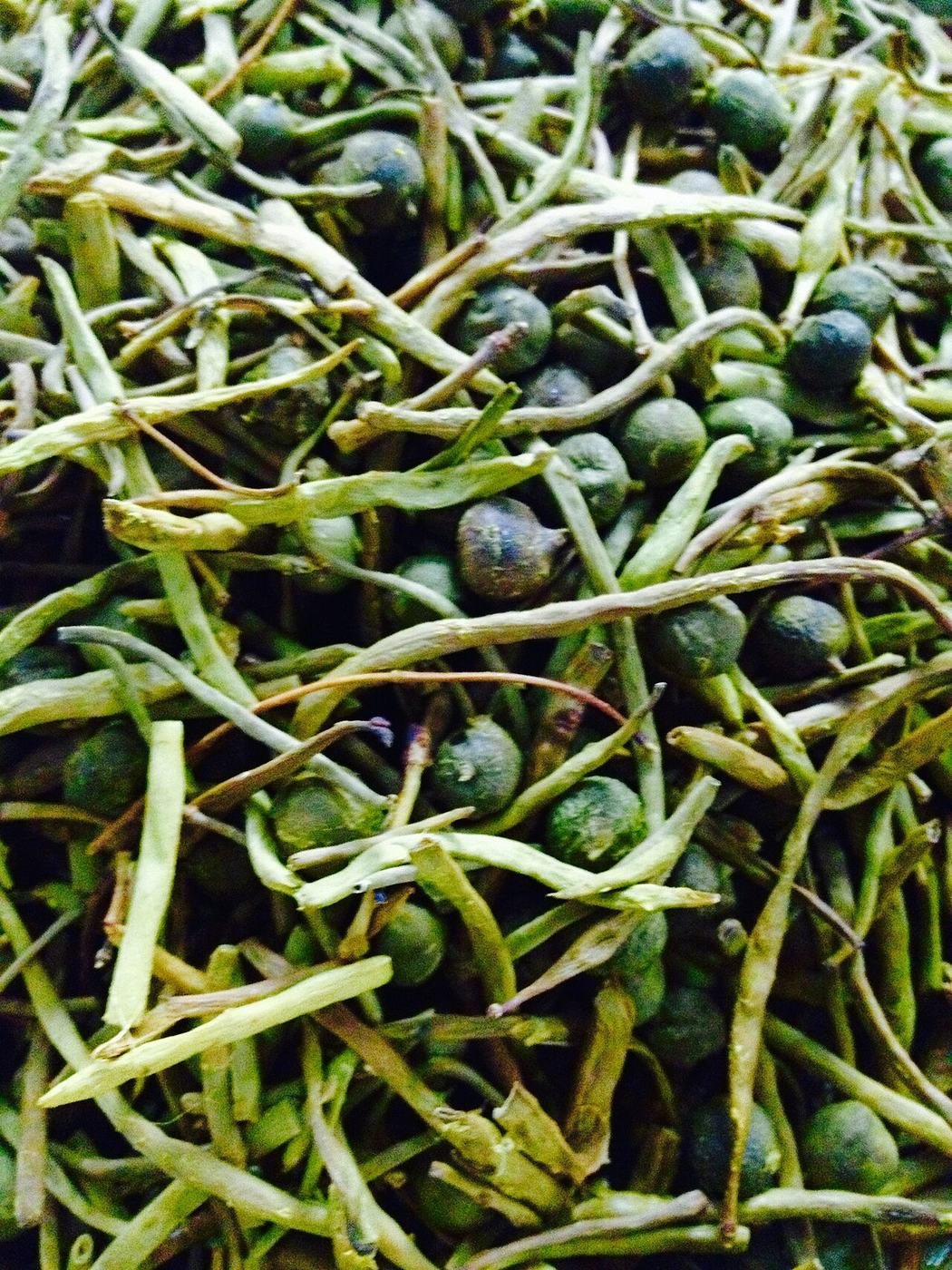
Bajra roti with ghee, buttermilk, ker sangri and kulhad chai, ask us to arrange a village-style meal or a chai halt on your drive.
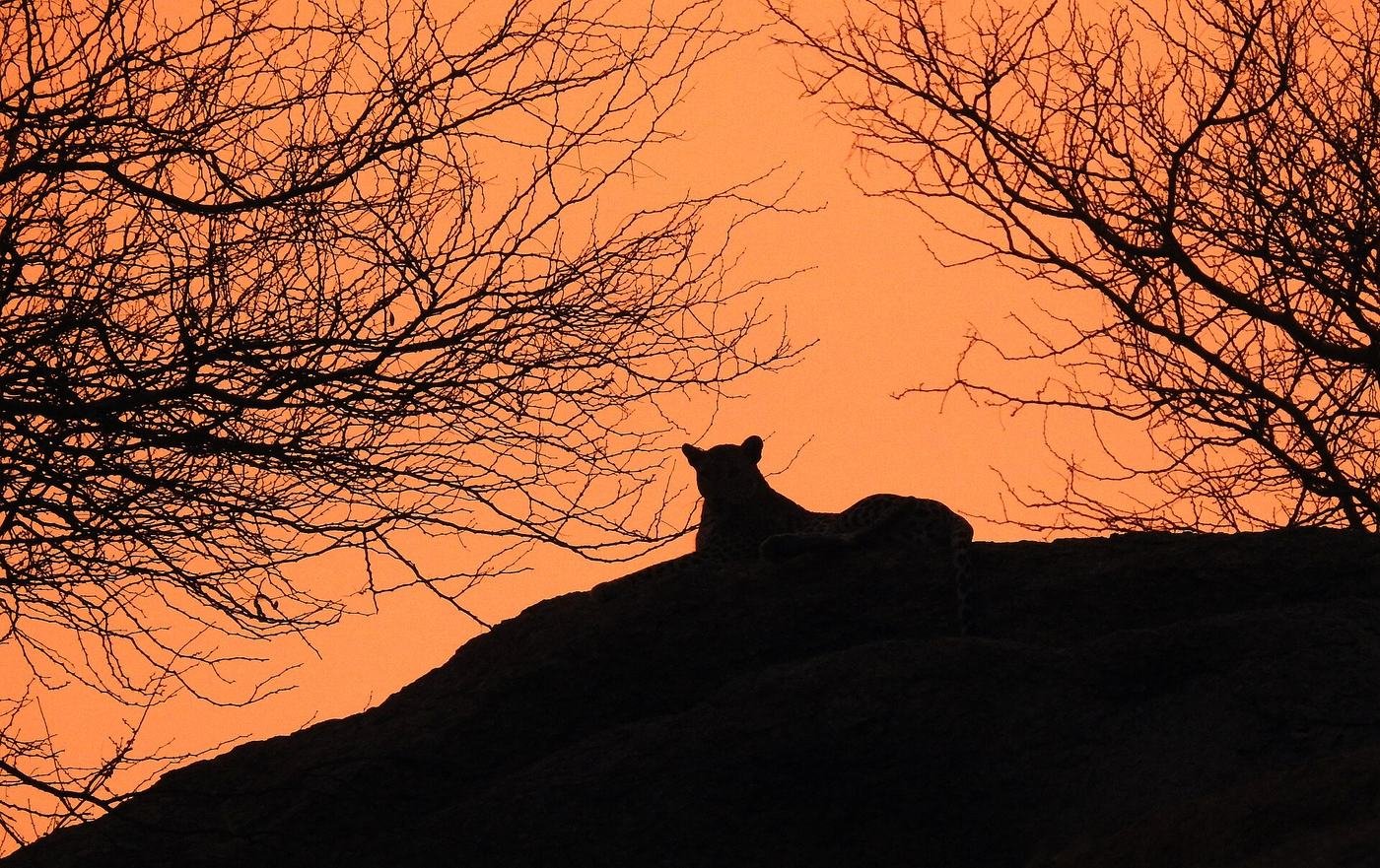
Clear desert skies away from city light. Ask the team to arrange an evening campfire.
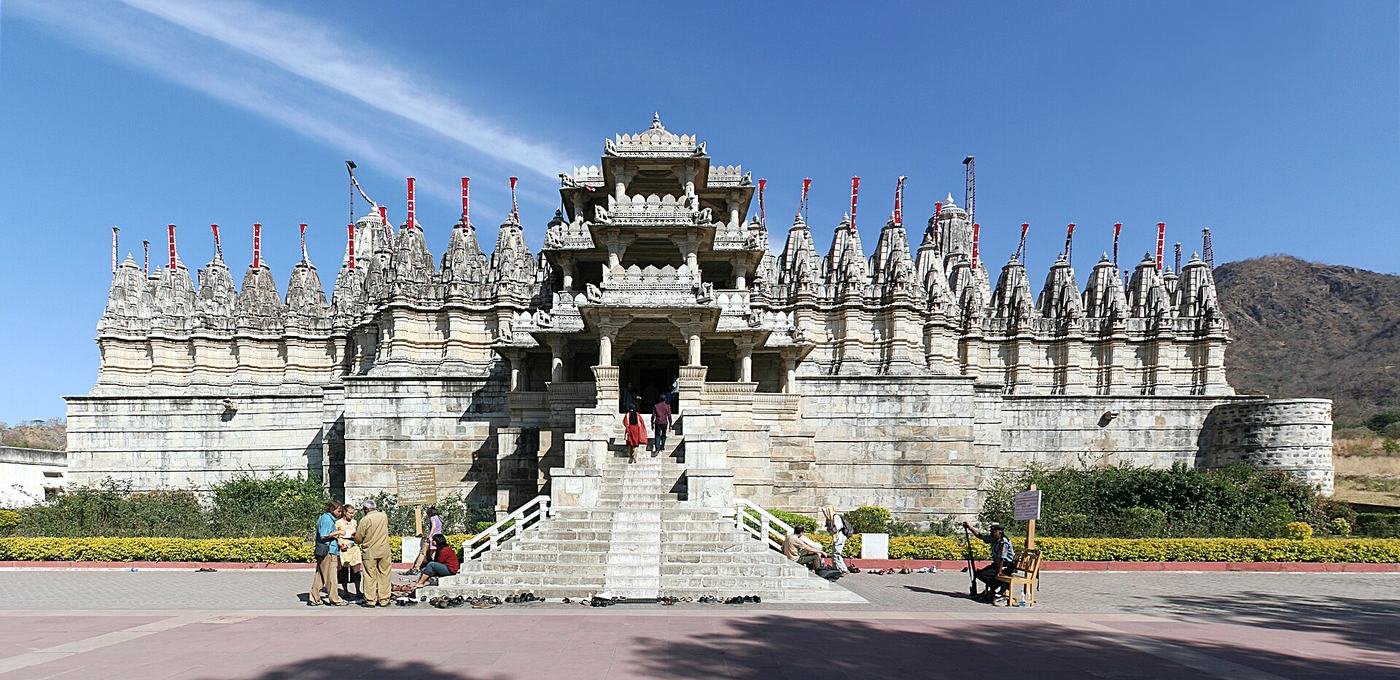
A marble temple complex with 1,444 carved pillars set in a forested valley.
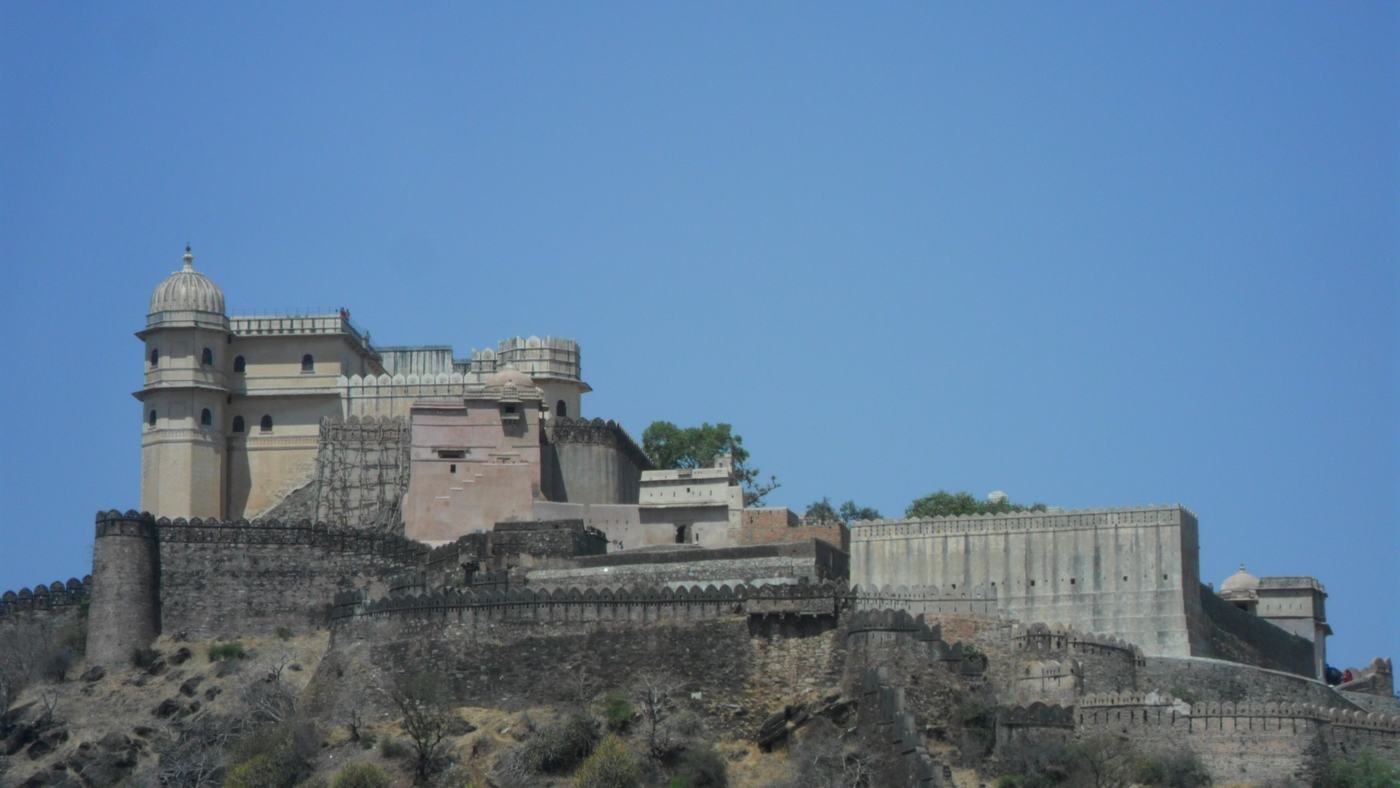
A 15th-century hill fort with one of the longest continuous walls in the world.
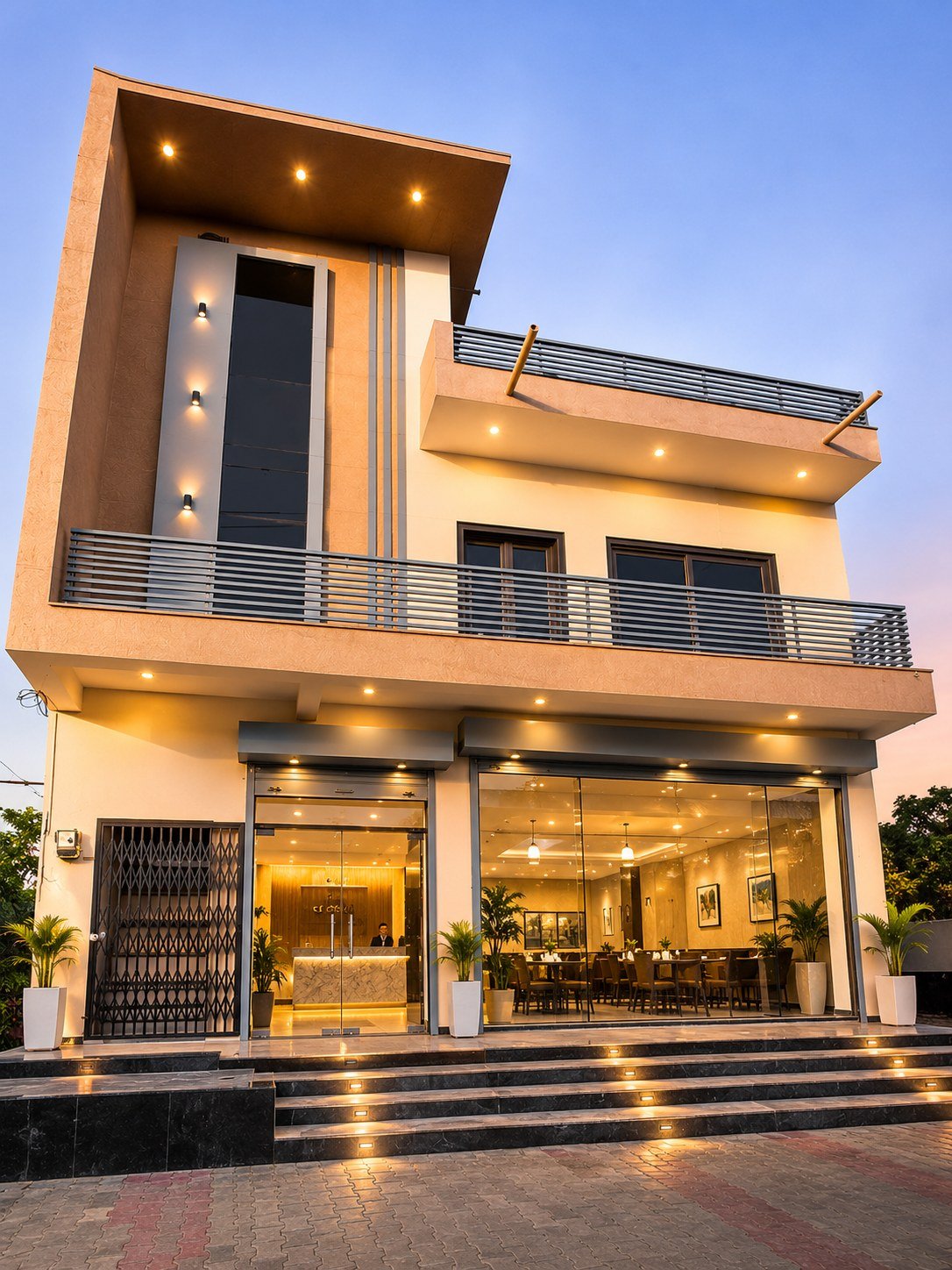
City Palace, Lake Pichola and royal-era havelis.
The Blue City and its giant fortress above the old town.
Real driving distances from the nearest railway stations, airports and cities to our door in Bera. Tap a place to see its route on the map.
Nearest railway station
Main-line station on the Delhi–Ahmedabad route
Lakes, palaces and the old city
Nearest major airport
The interactive map needs an internet connection. Open in Google Maps
Real driving route Jawai Mumal Open in Google Maps
North is up. Each place sits in its true direction from the hotel and at its true straight-line distance; the number beside it is the real driving distance.
Distances come from OpenStreetMap road routing; drive times include an allowance for traffic and village roads. Message us on WhatsApp for pick-up and directions.