

Wheat is a recent comfort in many Rajasthani villages. For generations, the daily bread was bajra, a hardy millet that grows where little else will.
A grain built for dry land
Pearl millet tolerates heat and poor soil and needs little water, so it suits this region well. It is rich in fibre and keeps you warm in winter, which is why it is a cold-season favourite.
How it is eaten
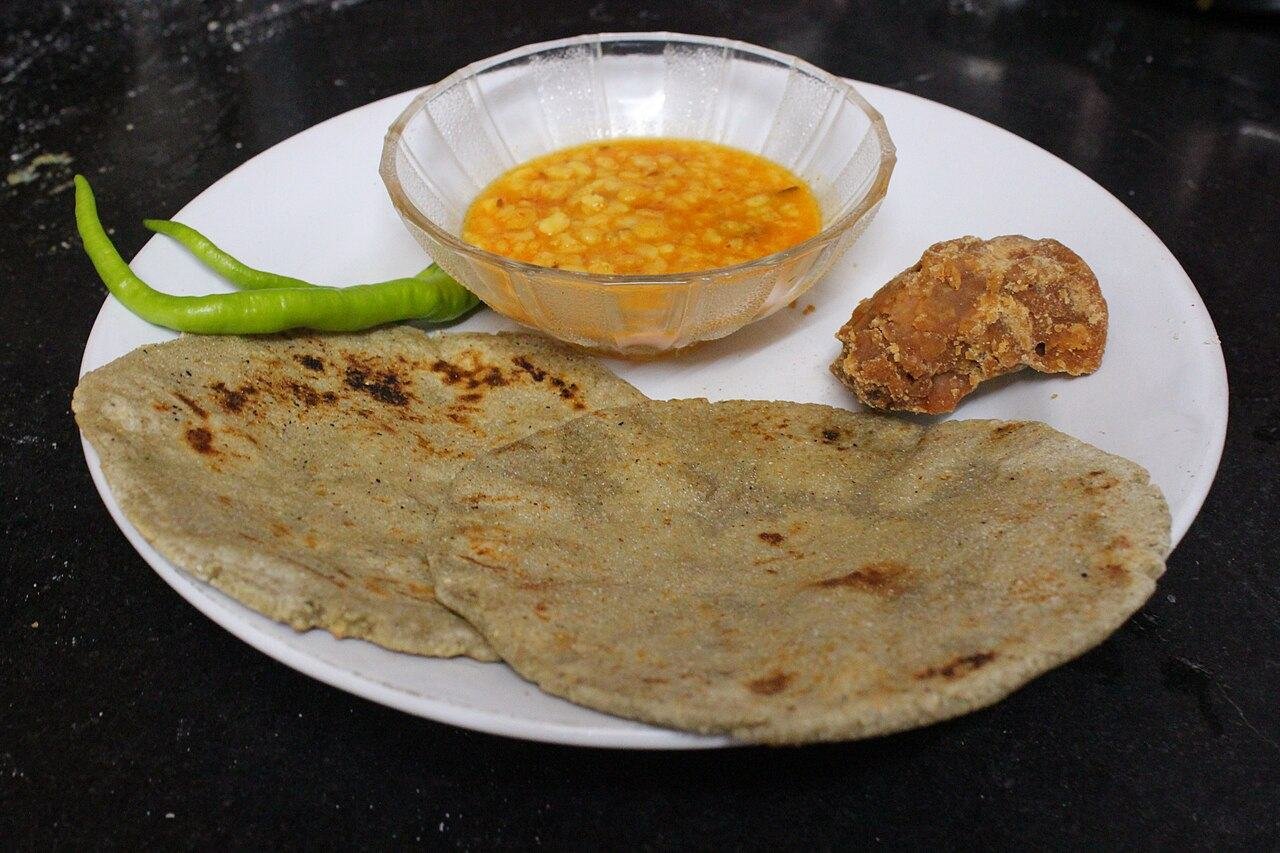
Dough is patted by hand into thick rotis and cooked on a griddle or open flame. They are served with ghee, jaggery, garlic chutney, buttermilk or a simple vegetable.
Try it at Jawai
Ask the kitchen for bajra roti with ghee and chutney. It pairs well with dal and seasonal vegetables.
Other millets
Jowar (sorghum) and ragi (finger millet) are also eaten, though bajra is the regional favourite. Each has a different taste and texture.
Cooking tips
Use warm water, knead to a soft dough and pat gently so the roti does not crack. Cook on a hot griddle and finish on the flame.
Health and tradition
Millets are rich in fibre and minerals, and traditional diets paired them with ghee, buttermilk and greens. Today they are popular again with people looking for gluten-free and slow-digesting grains.
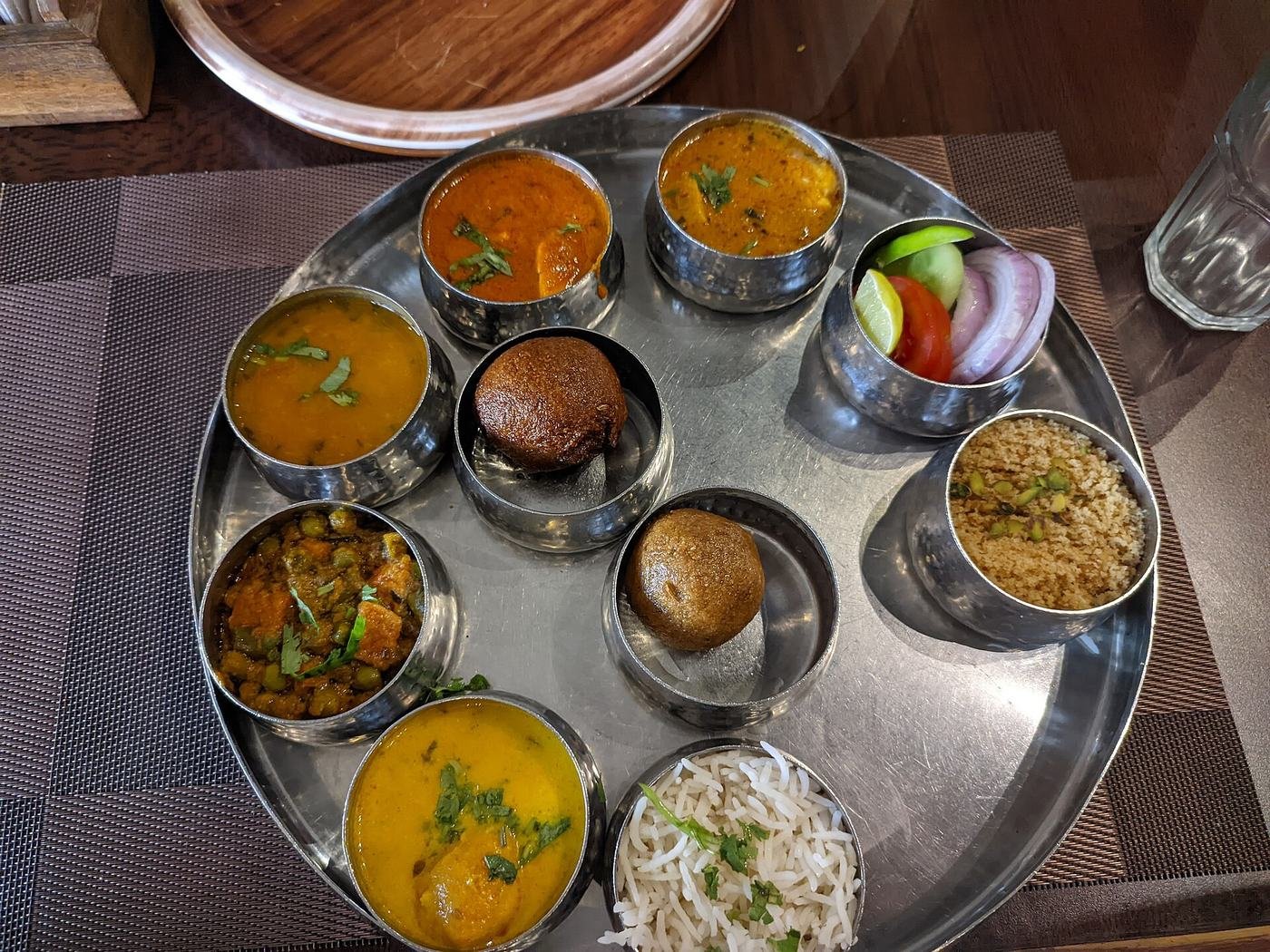
Hungry yet? Our kitchen is 100% vegetarian and cooks Rajasthani village food. See the restaurant or request a table.
Frequently asked questions
Is bajra roti gluten-free?
Pearl millet is naturally gluten-free, but check with the kitchen about cross-contact if it matters.
When is it best?
In winter, fresh and hot.
Can I make bajra roti at home?
Yes, with practice. Ask the kitchen team for tips.
Is bajra suitable for diabetics?
It is a good option in moderation, but ask your doctor for personal advice.