

People often ask whether Jawai has an “off season”. The leopards live here all year, so the honest answer is that every season has its own character. What changes is the weather, the light and what else you will see.
October to March: comfortable and popular
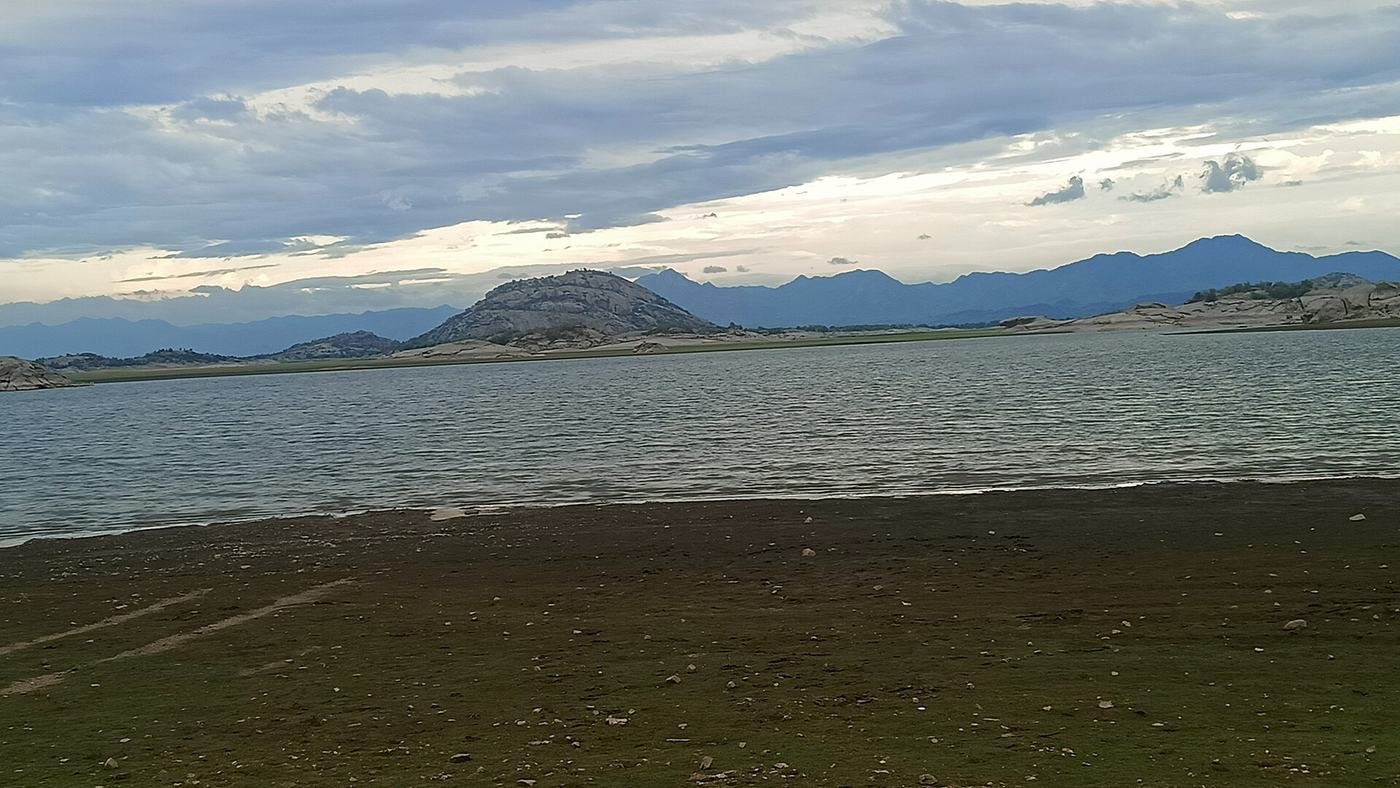
Days are warm and dry, evenings are cool and December–January mornings can be properly cold in an open jeep. This is the most comfortable time to travel and the busiest, especially around Diwali and the New Year. Winter is also when migratory birds gather at the Jawai Dam, so it is the best season to combine leopards with birdwatching. Book rooms and jeeps early for December and January.
April to June: hot, but excellent for sightings
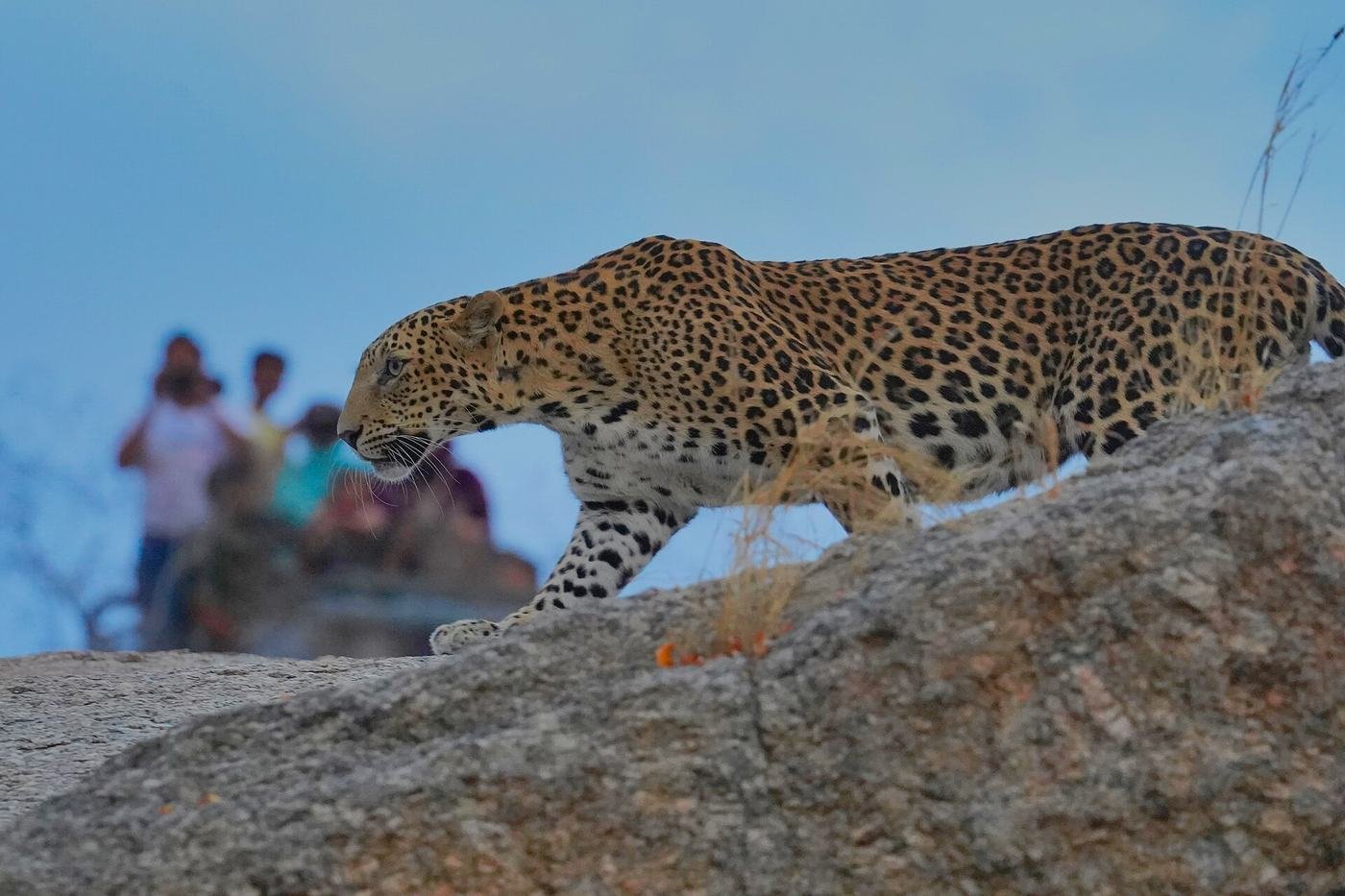
Temperatures are high in the afternoon, so plan around the safari windows and rest indoors in between. As vegetation dries out and water becomes scarce, animals move between the rocks and waterholes and the hills open up, which many guides consider the best time for leopard sightings. Early starts and plenty of water make it very doable.
July to September: green and quiet
The monsoon turns the granite hills green and fills the dam. It is the quietest season, with fewer visitors and good photographic light between showers. Heavy rain can occasionally limit jeep routes, so keep plans flexible and confirm with us before you travel.
Quick picks
- First-time visitors: November to February.
- Best chance of long leopard sightings: March to June.
- Birds and landscapes: December to February, and the green weeks after the monsoon.
- Quiet, lower-cost trip: July to September.
Matching the season to your reason for coming
If you are travelling mainly for comfort, choose November to February. If you want long, open views of leopards, choose March to June, when dry grass thins the cover. If you love green scenery, quiet roads and moody photography, choose July to September. Birdwatchers should aim for December to February when winter visitors fill the dam. Each purpose has a season, so decide your priority first and then pick dates.
Compare the detailed guides to Jawai in winter, summer and the monsoon.
Festivals and crowds
Winter weekends, Diwali, Christmas and New Year are the busiest dates, with full hotels and limited safari slots. If you can travel on weekdays or in the shoulder weeks of October and March, you get most of the benefit with calmer roads and easier booking. Book early for peak weeks. See long weekends and holidays.
Weather details worth knowing
- Winter dawns are cold in an open jeep, often in the single digits to low teens Celsius, while afternoons are warm.
- Summer afternoons can be extremely hot, so drives are early and late.
- Monsoon rains can occasionally limit tracks, so keep spare time in your plan.
- Fog is possible on winter mornings and usually clears quickly.
Whatever the month, carry layers, a hat and water.
Whatever the month, a stay in Bera puts you minutes from the hills. Browse our rooms or ask about dates on WhatsApp.
Frequently asked questions
What is the best month to visit Jawai?
November to February for comfort, and March to June for long leopard sightings. It depends on your priority.
Is Jawai open in the monsoon?
Yes. The hills are green and quiet, though heavy rain can limit some tracks.
When is Jawai most crowded?
Winter weekends, Diwali, Christmas and New Year. Book early for those dates.