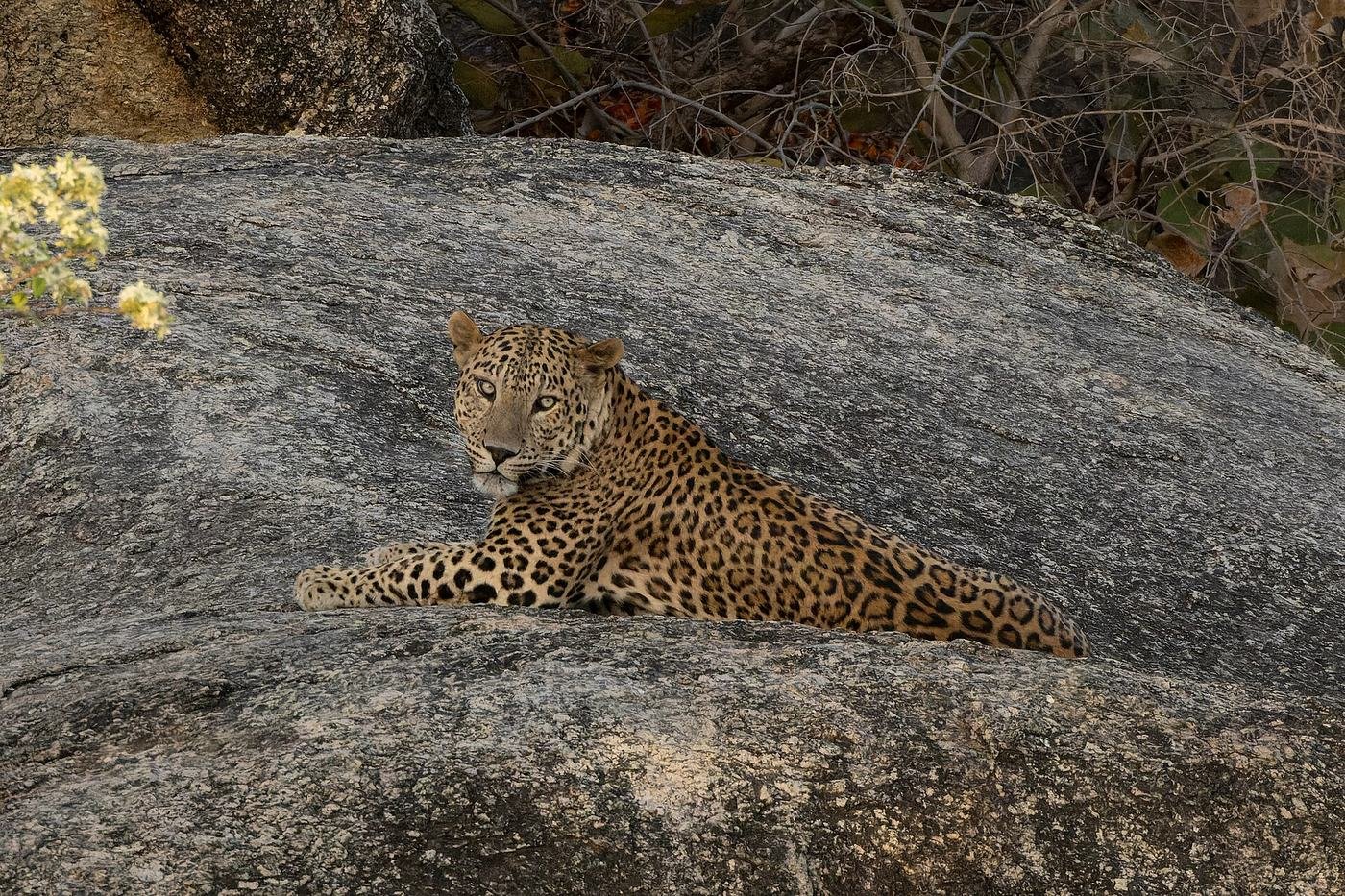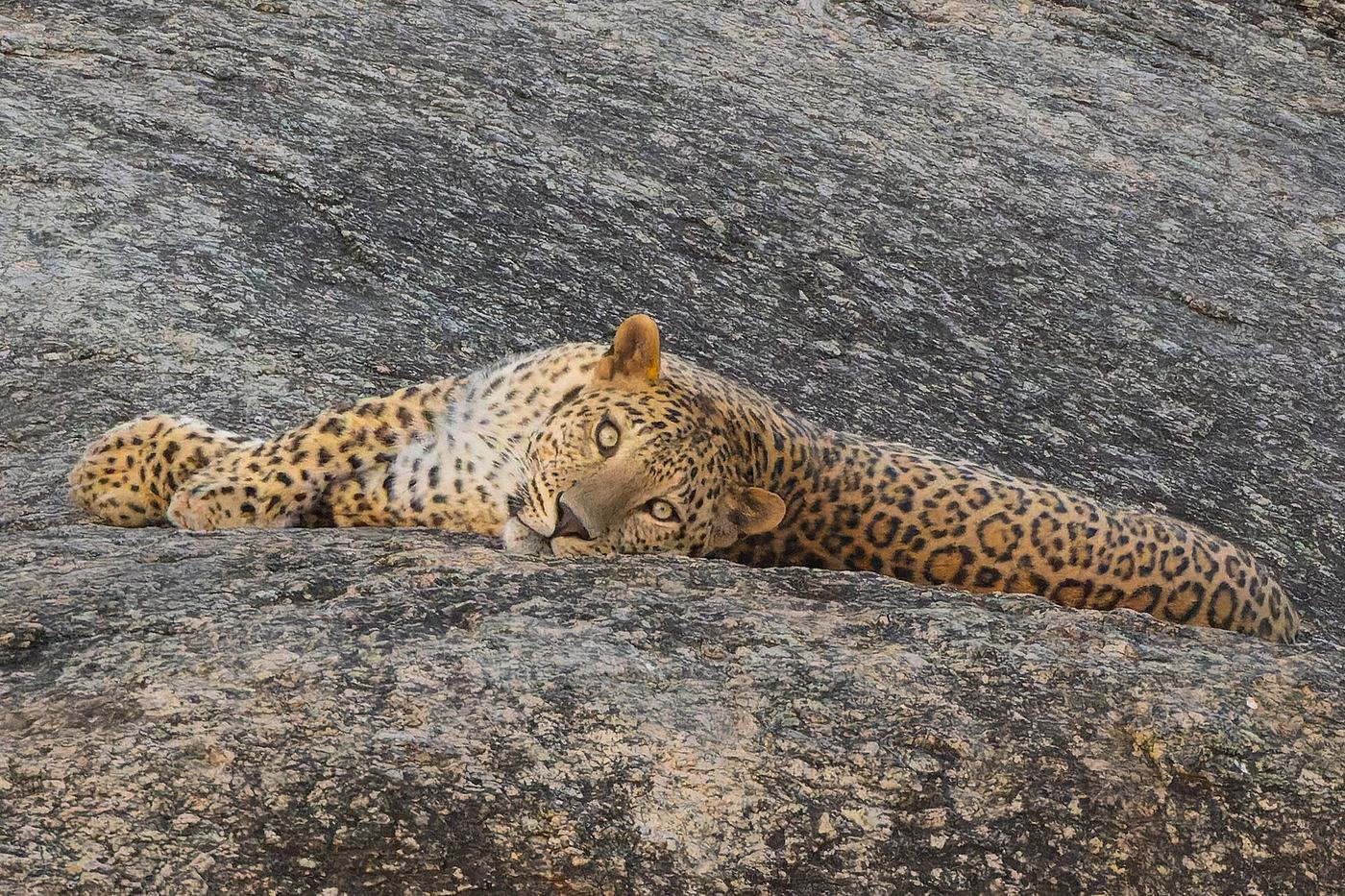



A Jawai safari looks easy: sit in a jeep and wait for a leopard. In reality, each sighting rests on the quiet knowledge of local trackers who grew up in these hills.
Knowing the hills
Trackers know every boulder field, cave and ridge. They learn which rocks leopards favour at which time of day, and where the animals travel between resting places and water. Local knowledge matters more than any gadget.
Reading the signs
- Pugmarks: paw prints in sand or soft ground tell the trackers which way an animal moved and how recently.
- Scratch marks and scat: signs that a leopard has passed through.
- Disturbed ground or dust: fresh marks show recent movement.
Listening to the forest
Birds, langurs, peafowl and other animals give alarm calls when a predator is near. A sudden burst of calls from a hillside can tell a tracker exactly where to look. This is why a quiet jeep matters. You can hear more when you are silent.
Working as a team
Trackers, drivers and sometimes herders share information. A herder who has seen a leopard in the morning will often pass the word on. This relationship is one reason Jawai’s leopards are so visible. Read more about it in Rabari community and leopards.
Patience and distance
Good trackers do not chase. They park at a respectful distance, switch off the engine and wait, letting the animal choose how long it stays. This keeps both leopards and guests safe. See safari rules and etiquette.
What you can do
- Stay quiet and still, and listen as well as look.
- Scan for shapes and spots on the rocks, not just movement.
- Use binoculars and follow the tracker’s directions.
- Book several drives. Each one gives the trackers another chance.
Meet the people behind the sightings on our safaris, or read the complete guide to a Jawai leopard safari.
Frequently asked questions
Are trackers local people?
Yes. Trackers and drivers come from the villages around Jawai and know the hills, caves and leopard habits through lifelong experience.
What are alarm calls?
Birds, langurs and other animals call loudly when a predator is near. A tracker can often tell from a call where to look, which is why staying quiet in the jeep helps.
Why do trackers keep their distance?
It keeps both people and leopards safe and calm. Quietly waiting lets the animal decide how long to stay, which usually gives the best sighting.