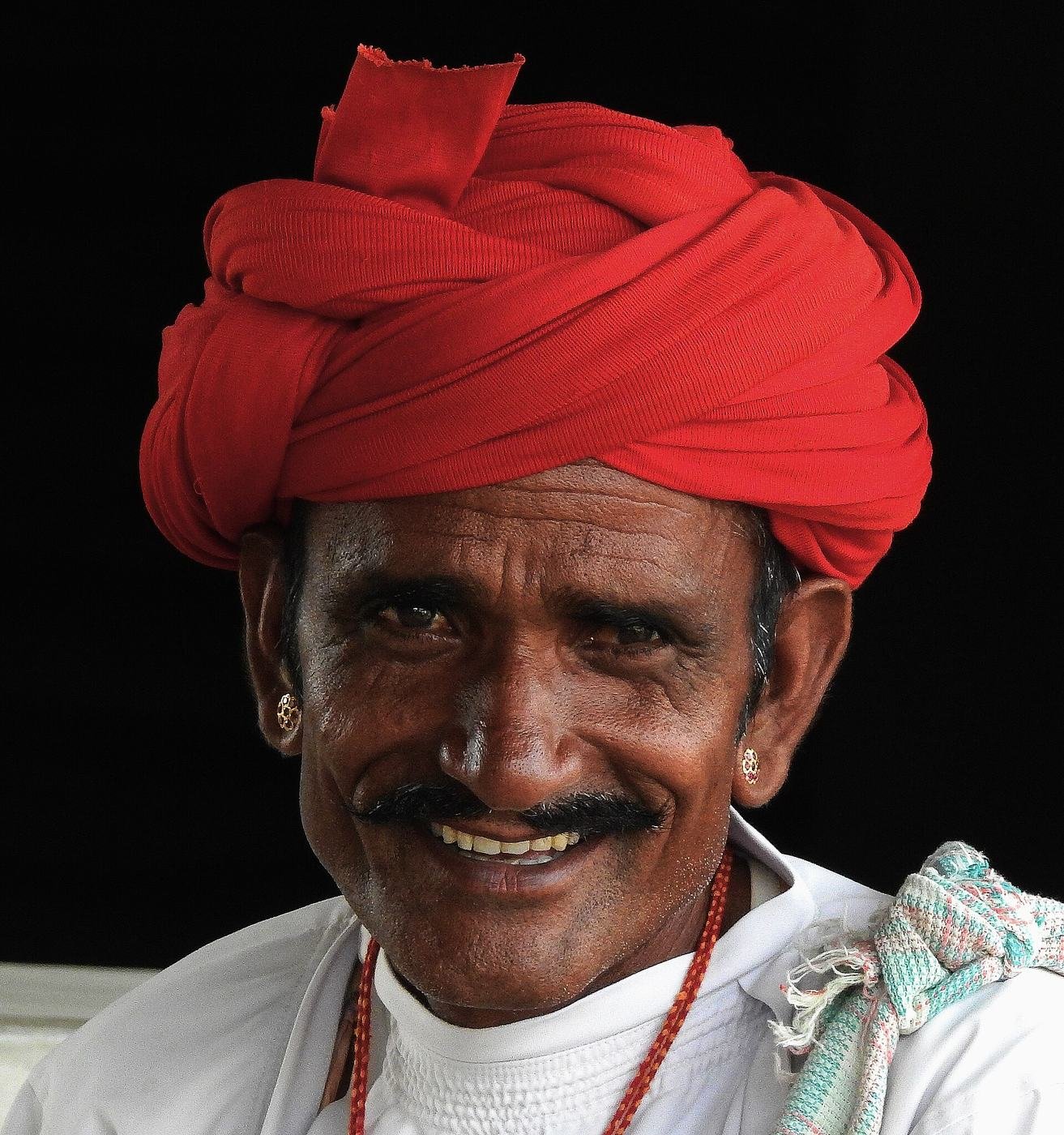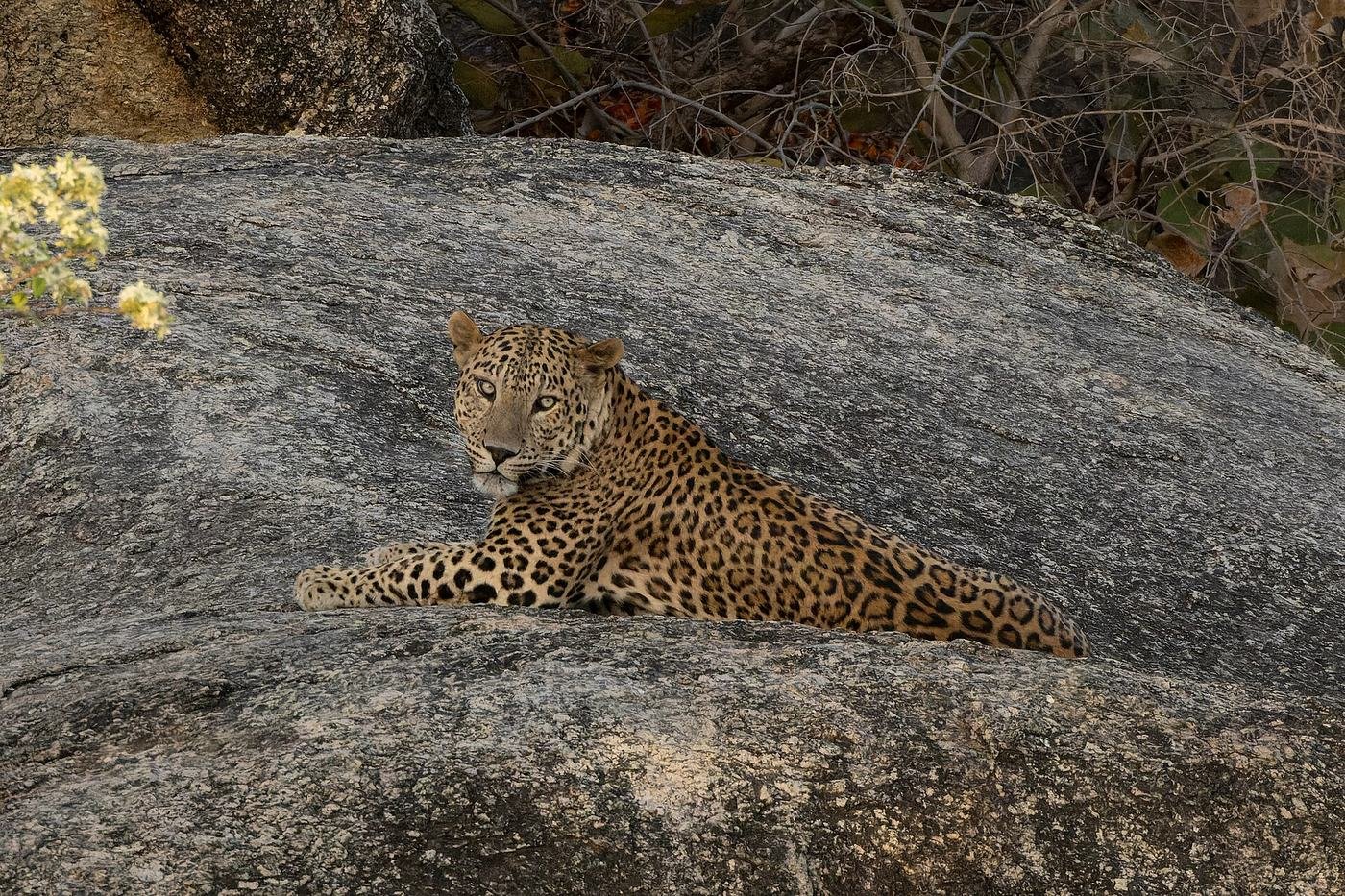



Jawai is often cited as an example of people and big cats living side by side. It is a delicate balance.
Why leopards stay
The granite hills offer caves, rocks and cover close to livestock and wild prey. The leopards are mostly left alone, and many local people treat them with tolerance and sometimes with reverence.
The Rabari role
The Rabari herders graze flocks on the hills and know the leopards’ habits. Their tolerance is part of why sightings are so visible. See the Rabari and leopards.
What visitors can do
- Support operators who hire and pay local people fairly.
- Follow safari rules and never crowd animals.
- Do not leave food or rubbish.
- Spend money in the village where you can. See safari rules and etiquette.
Why it can break
Losses of livestock, crowded tourism or careless behaviour can erode tolerance. Responsible tourism helps keep goodwill.
Want to plan your own drives? See our safaris, then send a request and we will suggest the best slots.
Frequently asked questions
Do leopards attack livestock in Jawai?
Occasionally, as they do wherever predators and livestock overlap. Local compensation and tolerance matter.
Is Jawai a model for conservation?
Many people see it as a notable example of coexistence, though it needs continued care.
How can I help as a tourist?
Travel responsibly, choose ethical operators and respect local people.