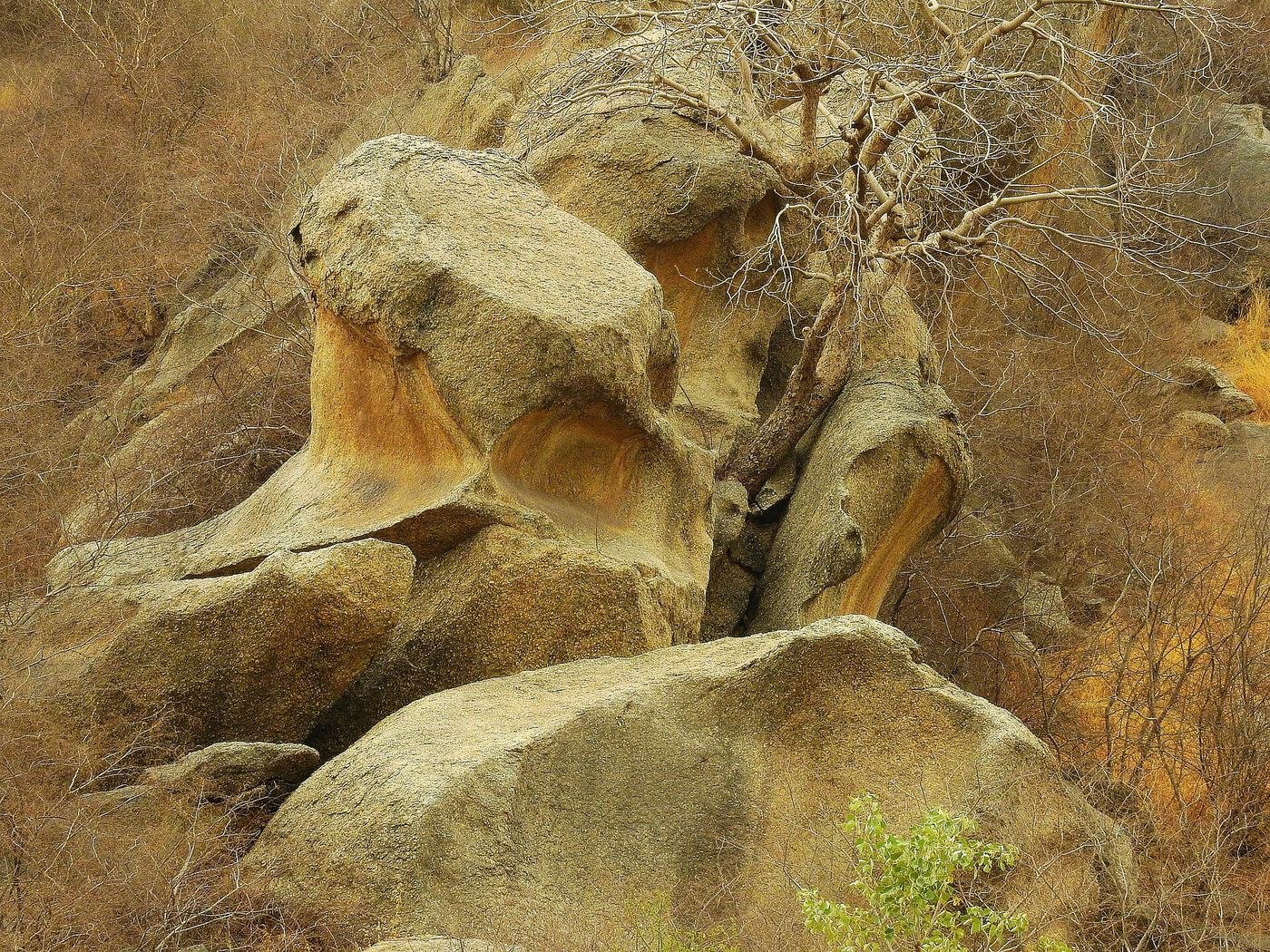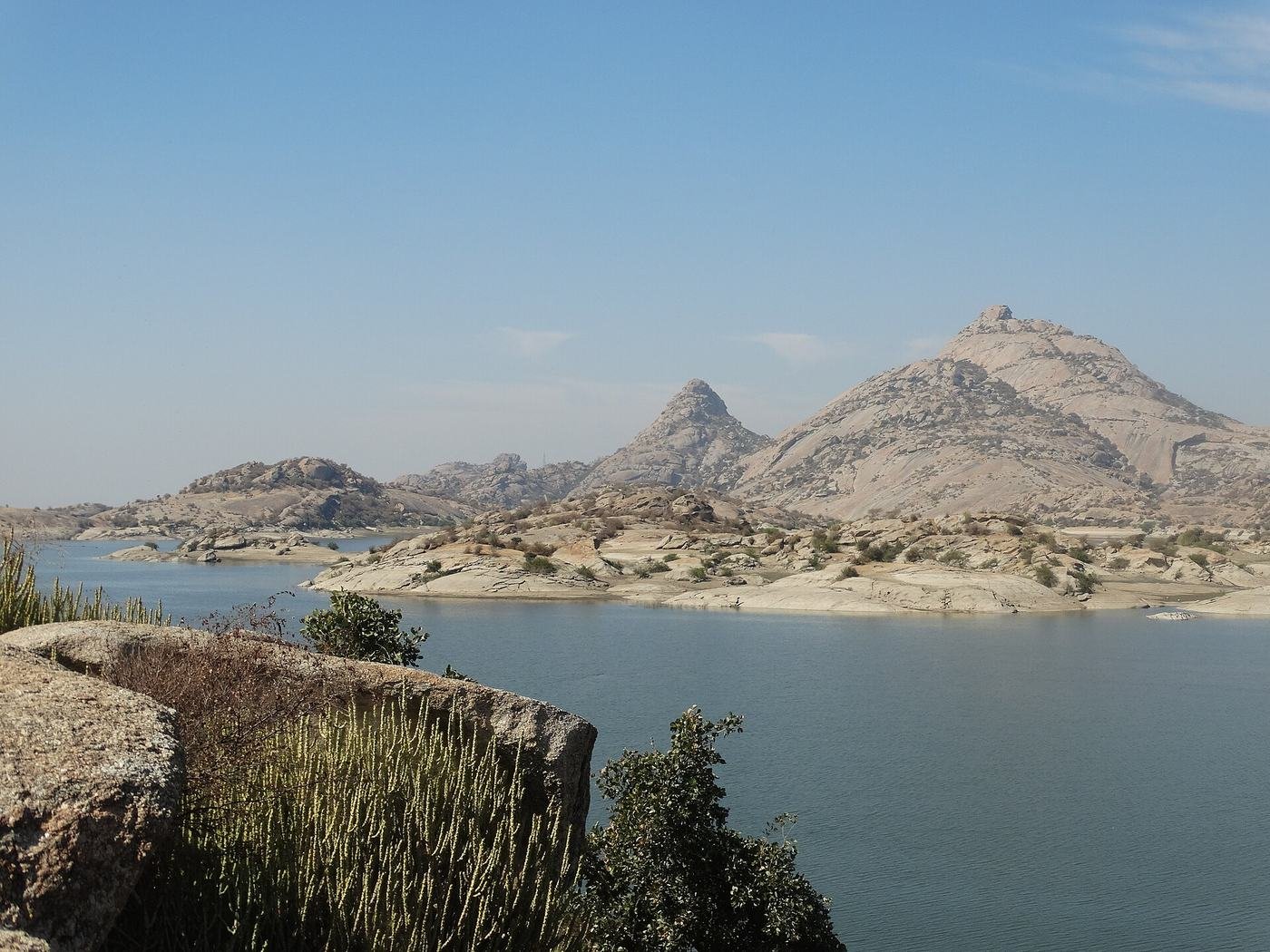


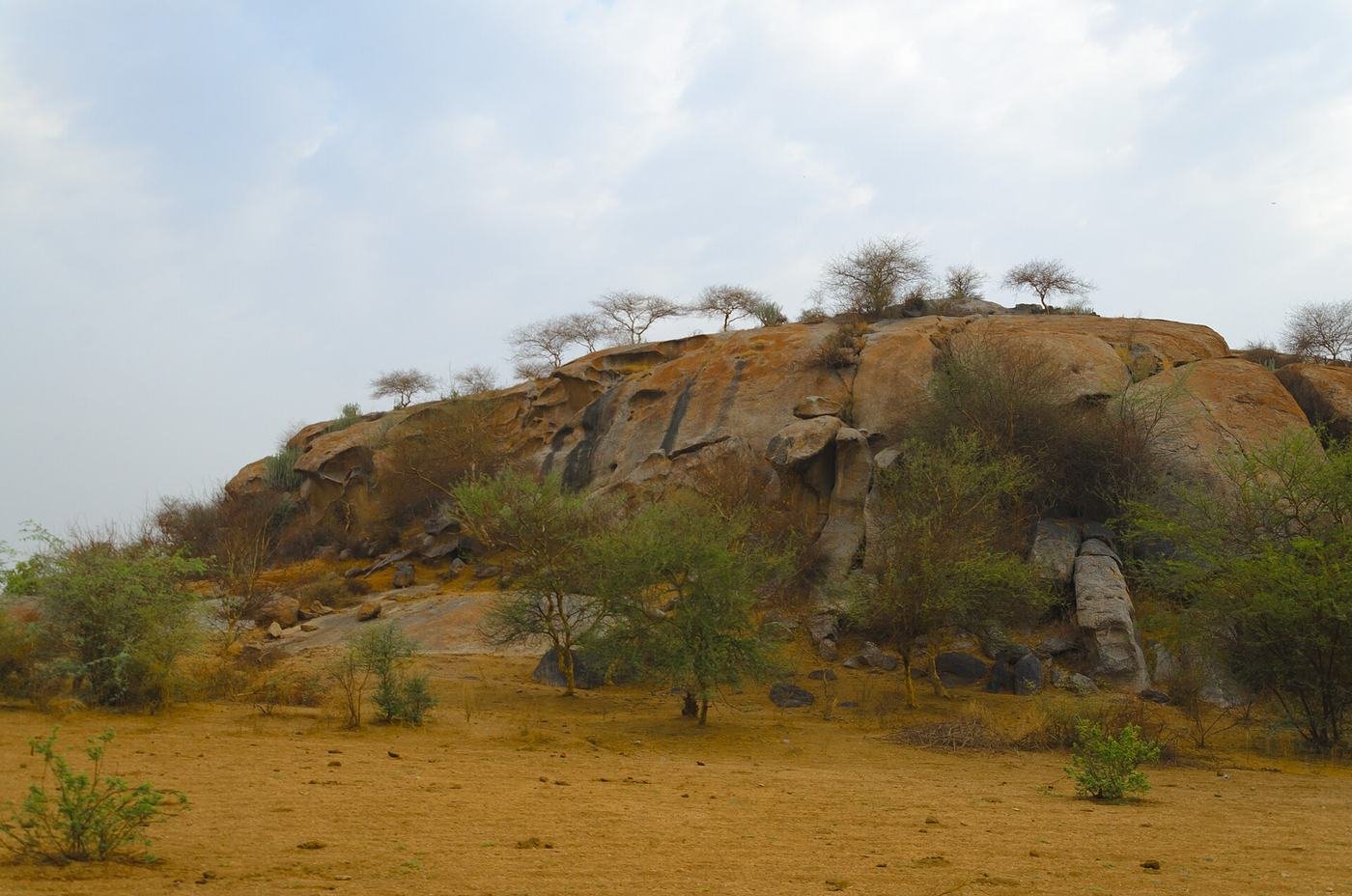
The first thing visitors notice at Jawai is the rock: domes, ledges and piles of giant boulders that look balanced by chance. That rock is the leopard’s home.
Why granite suits leopards
Crevices, caves and shaded ledges give shelter from heat and a clear view over the land. Leopards rest in the cool of a cave by day and move at dusk. Rainwater collects in rock pools that animals use in the dry months.
Shrines among the rocks
Small shrines dot the hills, tended by local families. They are sacred places, so visit quietly, dress modestly and ask your guide before approaching. In many places people and leopards have shared the same slopes for generations.
Exploring respectfully
Stay on the paths your guide chooses, never climb on boulders for photographs and leave nothing behind. Early and late light bring out the colour of the stone.
Reading signs of life
Look for pale scat on rocks, scratches on tree bark, flattened grass and the neat tracks of a big cat on sandy ground. Your tracker will point them out and explain how old they look.
Photographing the stone
Shoot at sunrise and sunset to catch the warm colours. A polarising filter helps with glare, and a wide lens captures the scale of the domes. Include a human figure only when it is safe and respectful.
Ready to see Jawai’s leopard country? Request a safari or message the team on WhatsApp, and read our complete safari guide.
Frequently asked questions
Can I walk in the hills?
Only with a guide and only where it is safe. Most visitors explore by jeep.
Are the shrines open to visitors?
Some are, but always ask first and respect local custom.
Are caves safe to enter?
No. Leopards use them, so never approach a cave. Watch from the jeep.