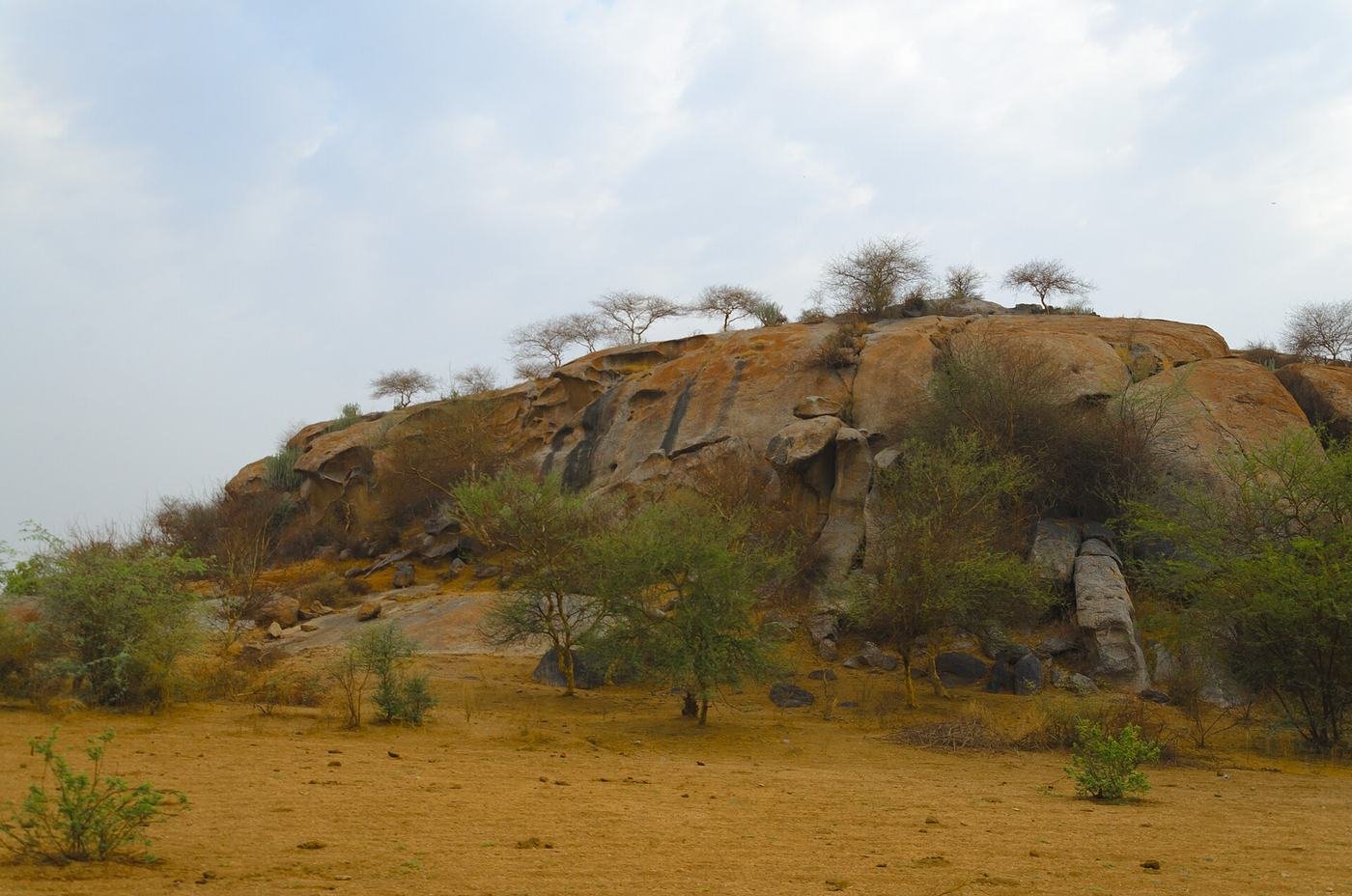


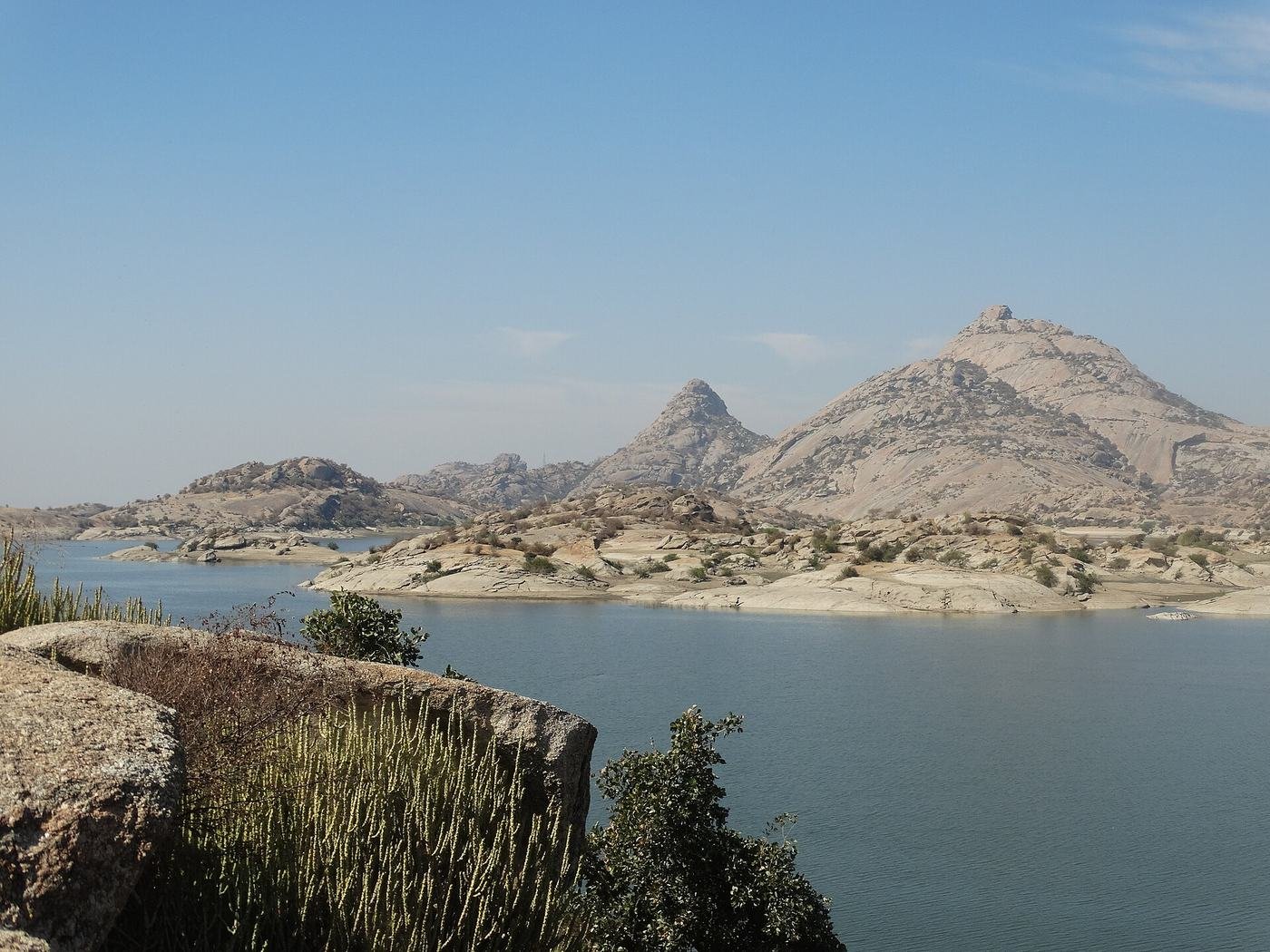
Jawai Dam, also called Jawai Bandh, is one of the largest reservoirs in western Rajasthan. It was completed in 1957 on the Jawai river, a tributary in the Luni basin, and has supplied water to the surrounding districts for decades. Granite hills rise all around it, which is exactly why the landscape here is so photogenic.
A lake in dry country
In a part of Rajasthan better known for sand and scrub, the dam is a lifeline for people, livestock and wildlife. When the monsoon fills it, the shoreline turns green and the water attracts birds from far away.
Birds you may see
Over three hundred bird species have been recorded around Jawai. In the cooler months look for flamingos, demoiselle cranes, bar-headed geese, painted storks, spoonbills and a range of ducks and waders, with raptors circling over the hills. See our birdwatching guide for more.
Other wildlife
Mugger crocodiles bask on the banks, and the dam’s edges are good places to spot jackal, mongoose and monitor lizards. Leopards range across the hills nearby, so the shoreline is part of the same landscape you will explore on a safari.
Visiting from Bera
How the dam shapes the landscape
The reservoir turned a dry, rocky region into a place where water, farmland and wildlife meet. Villages draw on the water for farming, birds gather in huge numbers in winter and animals come to drink, including leopards from the nearby hills. The water edge changes with the season: wide and glassy after the monsoon, shrinking into mudflats and sandbars in summer, which is when many waders and crocodiles are easiest to see.
The best ways to visit
A morning visit gives soft light and the most bird activity, while an evening visit gives sunset reflections. Go with your driver or guide rather than alone, and stay well back from the edge. Bring binoculars, a hat and water. Read about sunrise and sunset spots and marsh crocodiles at Jawai Dam.
Planning it into a Jawai trip
Combine a dam visit with a leopard drive on the same morning, since the hills and water are close. Winter is best for migratory birds, summer for crocodiles on sandbars and the monsoon for a full, green reservoir. A good plan is a dawn safari followed by a slow stop at the water.
The dam is about 15 km from Bera, roughly half an hour by road. A slow morning drive with binoculars is rewarding; our Jawai Dam wetland and birding drive is built around it. Dress in muted colours, keep noise low and never approach the water’s edge on foot near crocodiles.
Frequently asked questions
Are there crocodiles in Jawai Dam?
Marsh crocodiles are known to live around the reservoir. Watch them from a distance and stay out of the water.
When are birds best at the dam?
December to February, when migratory birds are present, though many species stay all year.
Can I swim in the dam?
No. It is unsafe and not appropriate around crocodiles.